
‘Change from the inside out’ : Harvey Neighborhood Network launches with community cookout
Announced last year, the program taps trusted organizations to spearhead change. It’s funded by the United Way of Metro Chicago through Cook County’s Department of Economic Development.
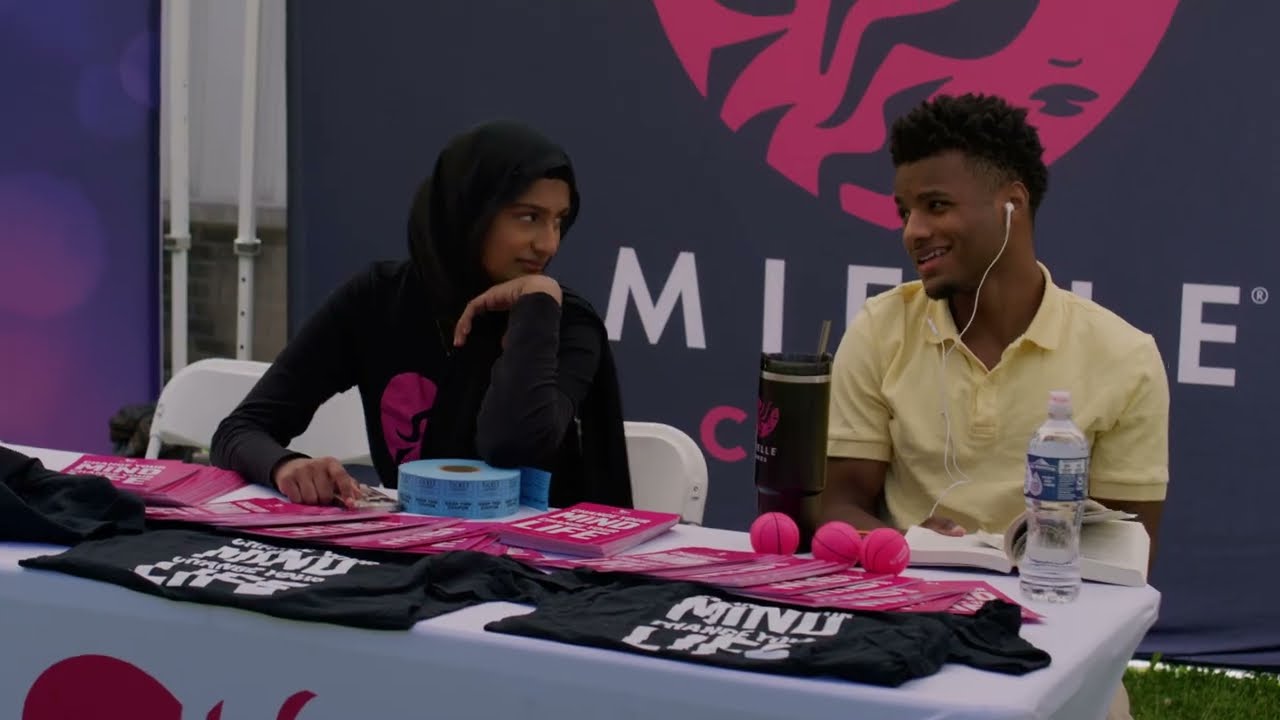
Two local nonprofits are joining forces to help change Harvey.
The Harvey Neighborhood Network kicked off the start of summer with food, music, and a resource fair last month at the Harvey Park District’s Gloria Taylor Center.
The Transforming Neighborhood Network, funded by a public-private partnership, taps trusted community groups to spearhead tangible social or economic change.
Restoration Ministries and the Community Economic Development Association will tag team the effort. It’s gained traction on Chicago’s South and West Sides and several west and south suburban communities.
Now, it’s coming to Harvey. It’s a three-year commitment. Now in year one, they’re focused on the vision. In year two, they’ll implement programs and spend year three identifying long-term funding. One subcommittee is a coalition of nonprofits.
But local voices are key. “The idea is change from the inside out”, said Monica Regan, Restoration Ministries’ Network Coordinator.” That doesn’t rule out help from outsiders, she said, but “the community moves along better and is more cohesive when they have a part in what’s going on.”
There are two community advisory boards, one for adults and another for kids. “That’s our checks and balances to make sure we’re headed in the right direction,” said Machelle Anderson, UPLIFT Harvey Program Director and Network Coordinator at CEDA. Email CEDA staff at manderson@cedaorg.net to get involved.
There are four pillars that will shape community programming: holistic health and wellness, economic sustainability, workforce development, and violence prevention and intervention.
With the warm weather, it brings carefree vibes and frenetic energy. It also means increased acts of violence. That makes summer an opportunity to “bring resources to families,” Regan said.
The Network is planning efforts with West Harvey-Dixmoor School District 147 to ramp up parent engagement to help young people thrive, Anderson said. There’s also ideas for programs with other school districts that serve Harvey families.
“All of these organizations will make sure these kids have things to do, including summer jobs,” Anderson said.
Two Harvey natives are helping the Network form a bridge with Millennials.
“When certain corporations or foundations choose to come into a city and add value, it’s important you have a pulse of culture” to create “impact needed,” said Jason Clark, head of the My Influence Matters project at Thornton Township High School.
He assists the Network with violence prevention and youth engagement. Rapper and graphic arts designer Chimeka Heard-Powell helped market the event.
The two previously collaborated on the Thornton “Wildcat Classic,” which brought together alumni from various decades for basketball, food, music, and connection with current students. The Classic, which had attendance of 1,300 people, Clark said, will be returning on November 2, with a goal of 2,000 attendees.
Heard-Powell also used her talents to plan the music festival for up-and-coming local artists. Thornton alumnus Ricky Rampage of Q92.3 hosted.
In Harvey, very rarely are residents—particularly young people—provided the opportunity to have their opinions validated. That’s not the case here, Clark said.
Community needs shape programs, which could vary. Some concerns, like jobs, were already considered because of extensive surveys the groups had already conducted over time, Anderson said.
Last spring, both nonprofits introduced the initiative to local elected officials. The mayor’s office. Alders. School superintendents and board presidents. The library director. It was a rare moment to have officials from different governing bodies in the same room for something positive.
But that quickly fizzled out.
Organizers told the HWH political jockeying proves to be a barrier to creating long-term, sustainable change.
They ran into “little pockets of political beef,” Heard-Powell said. “We want to get around that. We want everybody to contribute,” be it the mayor’s office, park district, or police.
It’s no secret that across administrations and governing bodies, ego and side deals have fueled local decision-making.
“It’s not about who’s doing what. It’s about what we’re doing for these kids,” Heard-Powell said.
Residents have often complained they must play politics to do menial things, such as receive event permits. That’s adding fuel to a burning fire: people moving out of the city and never returning.
And for the city’s young people, that means they have little community pride, Clark said, agitated by elected officials with little genuine commitment or interest in local perspectives. “If you’re only present when it’s time to get votes for campaigns, then it’s not real.”
That’s what makes the Network unique.
It’s a nonpartisan, community-driven effort to transform Harvey. The Network is “inclusive” of “the people of Harvey,” Clark said, “not just for the politicians, not just for the stakeholders.”
Still, elected officials need to get on one accord, finding “common ground,” Clark stressed.
“Because, if we continue the same path, Harvey won’t change.”
We’re filling the void after the collapse of local newspapers decades ago. But we can’t do it without reader support.
Help us continue to publish stories like these
Authors


Related Articles
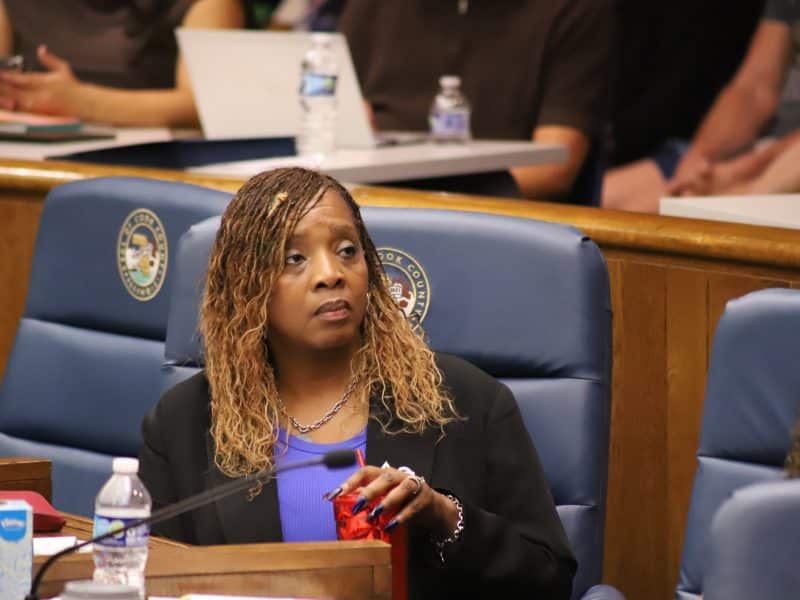
Kisha McCaskill filed for library board seat where husband is president
She has a paid library contract that translates to $2,000 a month. She eventually withdrew from the race for a two-year term, but not before daughter Amari McCaskill filed as a write-in candidate for that very seat. As a county commissioner, Kisha McCaskill represents the Southland and Chicago’s Far South Side.
Harvey Park District cancels meeting, leaving residents in freezing cold
A representative at the headquarters indicated via phone call earlier that day that the meeting would be rescheduled. But since no notice was posted online or in-person, residents still showed up.
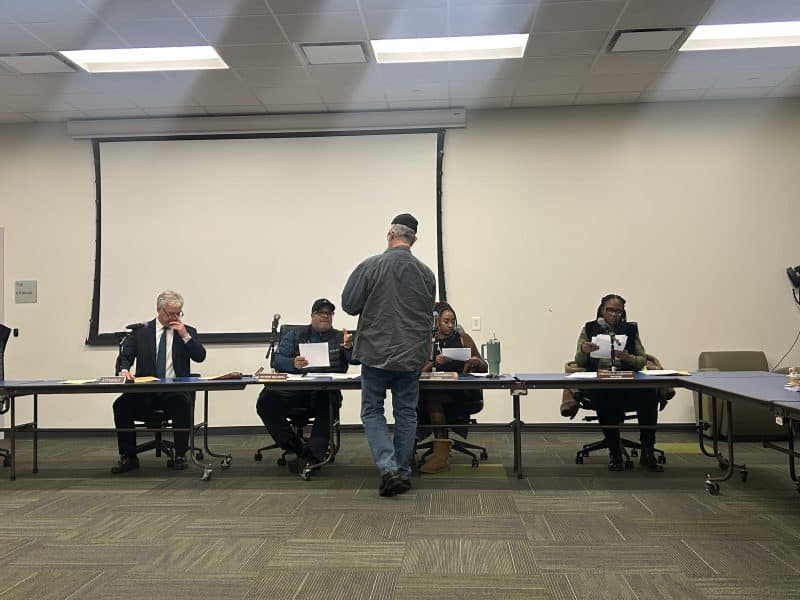
Harvey library trustee files another lawsuit over alleged ADA violations
Charwana Morgan has been requesting remote participation in board meetings due to her severe medical condition. After numerous rejections by the board, she is now fighting back with an updated lawsuit.

