
A look inside Restoration Ministries, reimagining “what we could be” for over 30 years
As the 1980s crack epidemic raged on, a symbol of hope blossomed.
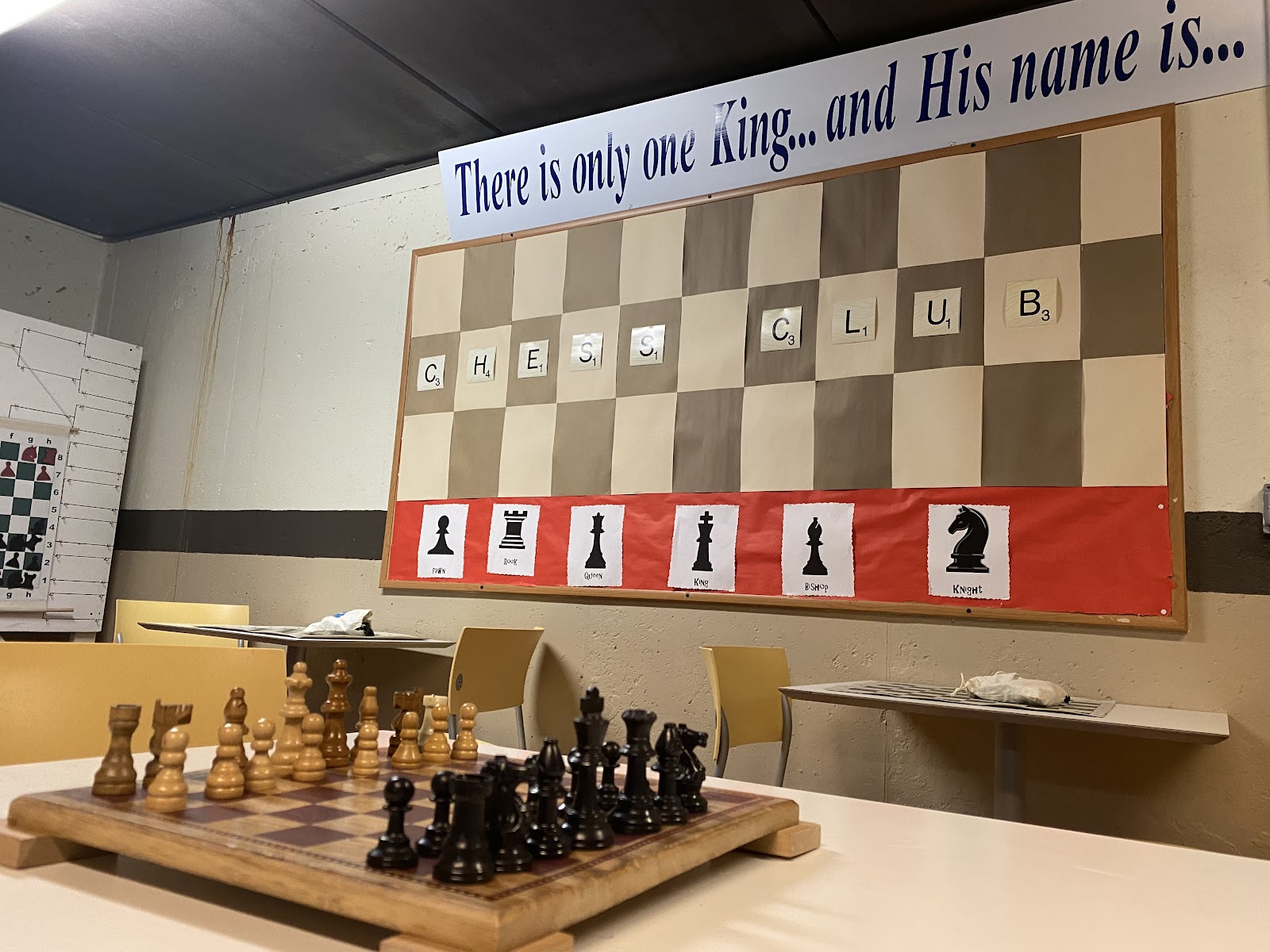
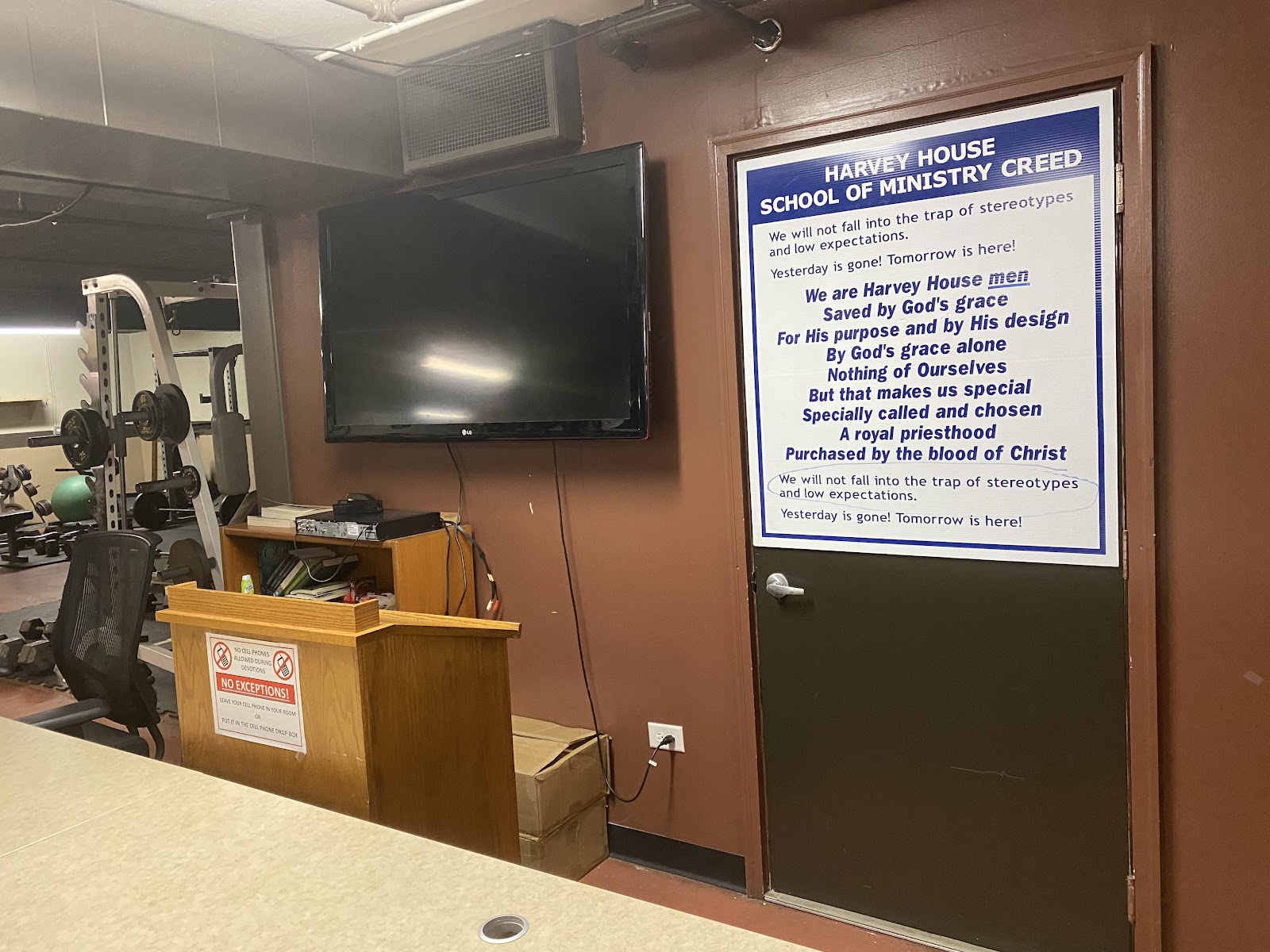
Thirty years ago, on the corner of 159th and Lathrop sat a renovated motel. In it was Harvey House, a newly opened drug treatment facility. Dr. John Sullivan, a South Holland-based pastor, conceptualized it to be a source of love and hope for those in Harvey struggling with addiction.
Staff soon noticed kids and sex workers fashioning the strip. But they didn’t shoo them away. They welcomed them in to eat.
“We are founded on the Matthew verse ‘when I saw you hungry, I fed you. When you were thirsty, I gave you something to drink,’” Karen Vrdolyak said.
Vrdolyak, who came on board in 1997 to help with fundraising, is referring to a Bible verse from the Book of Matthew. Jesus explains to his followers that serving Him is to help others in times of need, as opposed to withdrawing or running in fear.
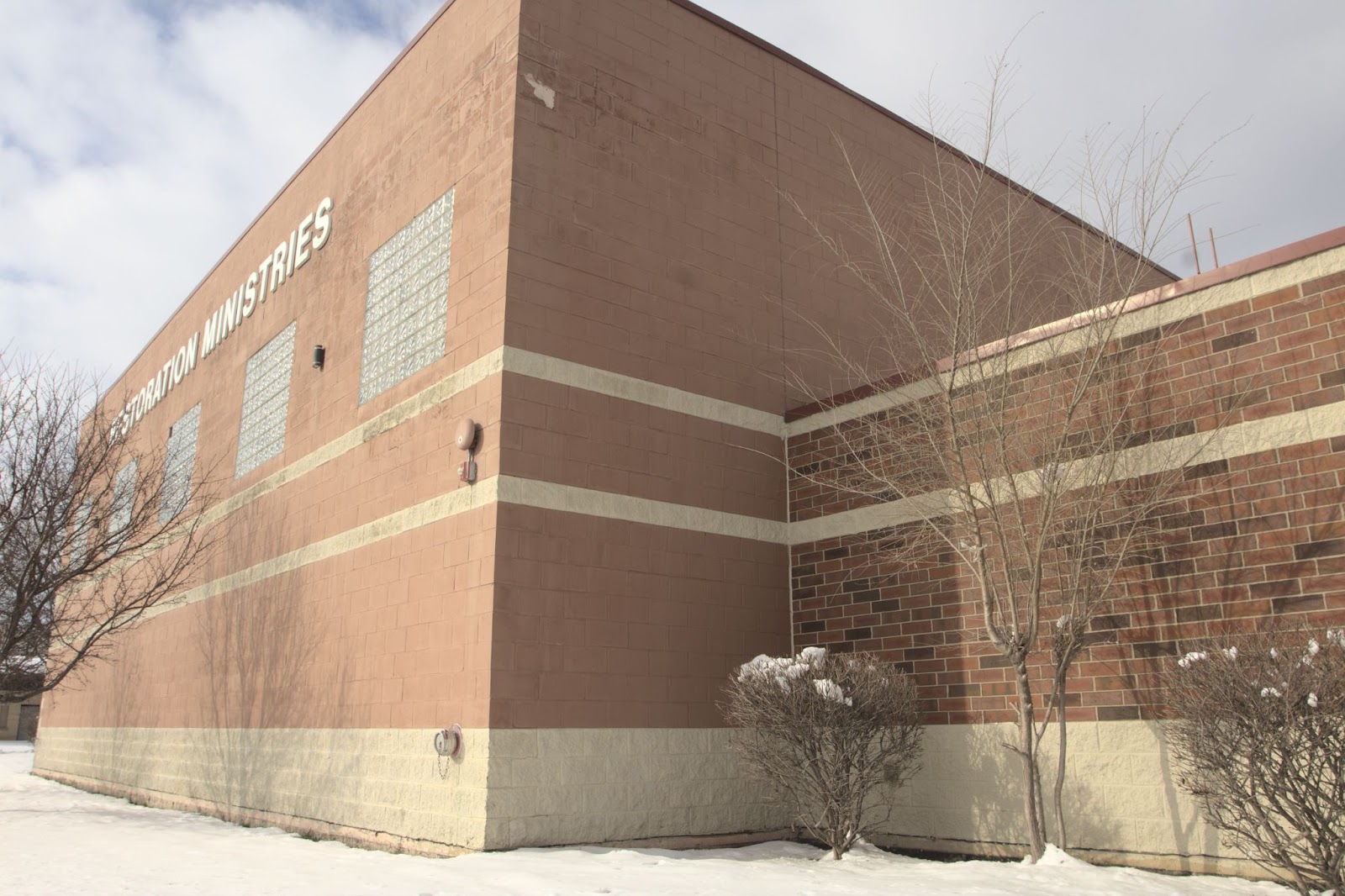
That motel would later become the main facility for Restoration Ministries, a not-for-profit organization in the city that’s spent over 30 years using a faith-driven approach to community care.
Restoration, where Vrdolyak is now Vice President of Development and Administration, added a food pantry, after-school programming, community garden, youth boxing club, arts center, and 2 thrift stores.
The vision
Growing their services was a pretty organic process that evolved out of voids in the community staff could fill and Sullivan’s vision.
Sullivan, a longtime pastor at Spirit of God Fellowship in South Holland, passed away in 2017.
“Dr. Sullivan was a visionary. He could see what you could be. Or what we could be,” Vrdolyak said.
That deep knowledge of what residents actually respond well to has helped Harvey youth travel around the world. It all started when someone who grew up in Restoration’s youth programs showed up with a pair of sporting gloves.
“One day, he came back from his weekend past with some boxing gloves. He and another guy started boxing. All of a sudden the kids swarmed them,” Vrdolyak beamed.
In 2002, as gang violence made its way from the streets to the schools, staff launched the Harving Boxing Club in an old police storage facility on Broadway Avenue as a way to keep kids away from violence after-school and during the summer.
The Club’s motto is “It’s better to sweat in the gym than bleed in the streets.”

Sullivan was also an art connoisseur who wanted Harvey youth to have access to high quality art, Vrdolyak said. The Sullivan Arts Center, housed in the same building on Broadway, opened around the same time as the Club.
At the main facility on Lathrop, paintings from the 1980s and 1990s line the walls as one traverses a building now complete with a basketball gym, classrooms, and a library room.
“He would find paintings, bring them here. He would go to the thrift store. Paintings that got donated — he would come here and hang them up,” Vrdolyak said.

But it wasn’t just that young people needed more fun activities as baseball leagues and drill programs began struggling to stay financially afloat.
“We had our after-school program, but kids would stop at the liquor store and get a bag of chips — to get a pop or something,” Vrdolyak began.
Restoration used to run a program 4 days a week where kids received Entemenn’s Bakery donuts and bread, but healthy food options were still few in the area. “Then, we had this opportunity to feed kids,” Vrdolyak said, launching a food pantry.
The Greater Chicago Food Depository supplies roughly 80% of the stock. Restoration is also a member of the Depository’s Food Rescue program, allowing trained staff to pick up food from local retailers like Aldi’s, Jewels, Meyers, and Target.
Four years ago, the Depository and Wal-Mart gifted Restoration a refrigerated Mercedes-Benz van, allowing staff to travel beyond a 5 mile radius.
“Before we had the van, we couldn’t go further than that,” Vrodlyak said, because of food safety regulations.
‘Picture that day so well’
The crack epidemic. The 1990s crime wave. The 2008 recession. Restoration’s been there through it all. Now, you can add a global pandemic.
But three decades of quick thinking came in handy when t he pandemic hit in March 2020. “I could picture that day so well,” Vrdolyak reflected.
Food services became precarious because the food pantry is usually client-choice, Vrdolyak said, because everyone gets a shopping cart and can choose what goods they would like.
Their model is much different from other pantries, where clients stand in line, waiting to be given pre-packed boxes of food with items they may not necessarily need — or want.
The respiratory virus that made human-contact unsafe changed all of that.
“Let’s just let 10 people in at a time,” Vrdolyak said of how staff shifted their food service program. Staff packed perishable and canned goods, embracing a drive-thru service delivery system, Vrdolyak said. But volunteers didn’t help to keep out of an abundance of caution.
As companies cut jobs and unemployment skyrocketed, people who had previously enjoyed fairly financially secure lives now found themselves visiting the pantry, also.
Prior to the pandemic, roughly 30 volunteers gave food away to 150 to 190 people a week. When the pandemic hit, frequent flyers returned, but there was also an increase in demand, Vrdolyak said.
“We’re serving double the number of people we served prior,” she said.
Much of the after-school programming brief closed down before reopening, moving all programming outside that summer.
As Harvey schools shifted to remote learning for the Fall 2020 academic year, Youth Programs Manager Pamela Banks said teachers noticed an issue: teachers struggling to keep students focused.
“The kids now start paying attention but all of a sudden his cousin comes through the door, and they start wrestling,” Vrdolyak said.
Some families struggled with technology access, also.
Already equipped with computers, staff embraced remote learning for families who needed it.
And the space was ready. The Lathrop facility already has 6 classrooms that services kindergarteners through 8th graders.
“We upped our Wi-Fi,” so students could do remote learning at Restoration during school hours if they could not at home, Vrdolyak said. Teachers would work at Restoration, Vrdoylak added.
Most were already involved in the after-school program. But demand exceeded supply, as teachers also made referrals. Ultimately, “We took between 60 and 65 kids,” Vrdolyak said.
“I just think the kids here, because it’s such a laid back atmosphere — they get to play, they get to see their friends. I think that’s helping with the mental health, here,” Vrdolyak said, adding that Restoration has a few counselors available for young people to talk to in times of need.
Arts on Broadway
For many not-for-profit organizations, the pandemic sparked fears of reduced funding, staffing shortages, and strains on services. But it also created new opportunities for collaboration.
Cook County officials have announced new funding from the American Rescue Plan funds that will go toward a slew of programs, including anti-violence, environmental justice, mental health, education, and housing.
Restoration will be part of that recovery.
Cook County recently gave Restoration a grant to aid outreach efforts related to a county-wide initiative aimed at helping people resolve evictions, possible foreclosures, and even tax deeds.
Restoration also plans to collaborate with organizations like the Community Economic Development Association of Cook County’s Harvey location, Vrdolyak said.
While the pandemic is still ongoing, Restoration staff now feel comfortable going back to a client-choice food service model.
The Club is looking to extend its hours and hire another coach alongside director Johnny Arrington, Jr.
It’ll be a boost to keep kids away from gun violence: in 2021, Cook County tracked over 1,000 homicides — the most in nearly 30 years.
Harvey finished 2021 with 31 homicides — the most on record, according to data from the Cook County Office of the Medical Examiner.
And as the warm weather approaches, Broadway Avenue is about to get a much needed makeover: Restoration and CEDA staff are planning a cultural festival on Broadway this summer.
“Doesn’t that sound fun? And there’s so many talented people that live in Harvey — came from Harvey.”
We’re filling the void after the collapse of local newspapers decades ago. But we can’t do it without reader support.
Help us continue to publish stories like these
Author

Related Articles
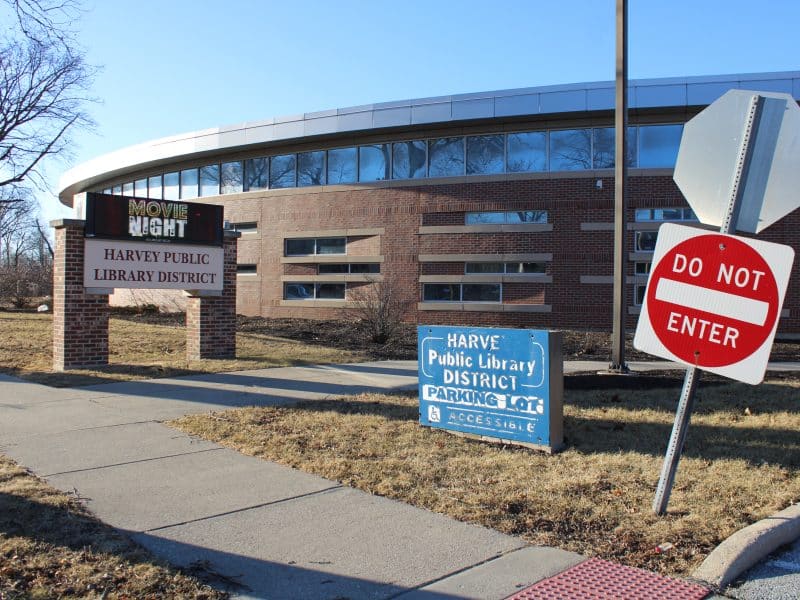
HWH files lawsuit against Harvey library over financial records
The Harvey Public Library District rejected the release of over a year’s worth of bills lists, documents crucial to examining the public body’s spending behavior.
Harvey library board votes to ‘vacate the seat’ of trustee Tamika Price, prompting lawsuit
A law firm connected to the McCaskill family, which now runs the city’s library and park districts, was tapped to investigate the trustee. Pending those findings, the board vacated her seat. Now, she and another trustee are suing.
Harvey library trustee reports board president to state attorney general over outstanding public records requests
As the McCaskill family seizes influence over the city’s library, trustees are resorting to filing public records requests, seeking state intervention, and suing the library to fulfill their duties as library fiduciaries.

