
Cook County Assessor Candidate Questionnaire: Fritz Kaegi
Elected in 2018, incumbent Cook County Assessor Fritz Kaegi is seeking a third term in the March 17 primary.
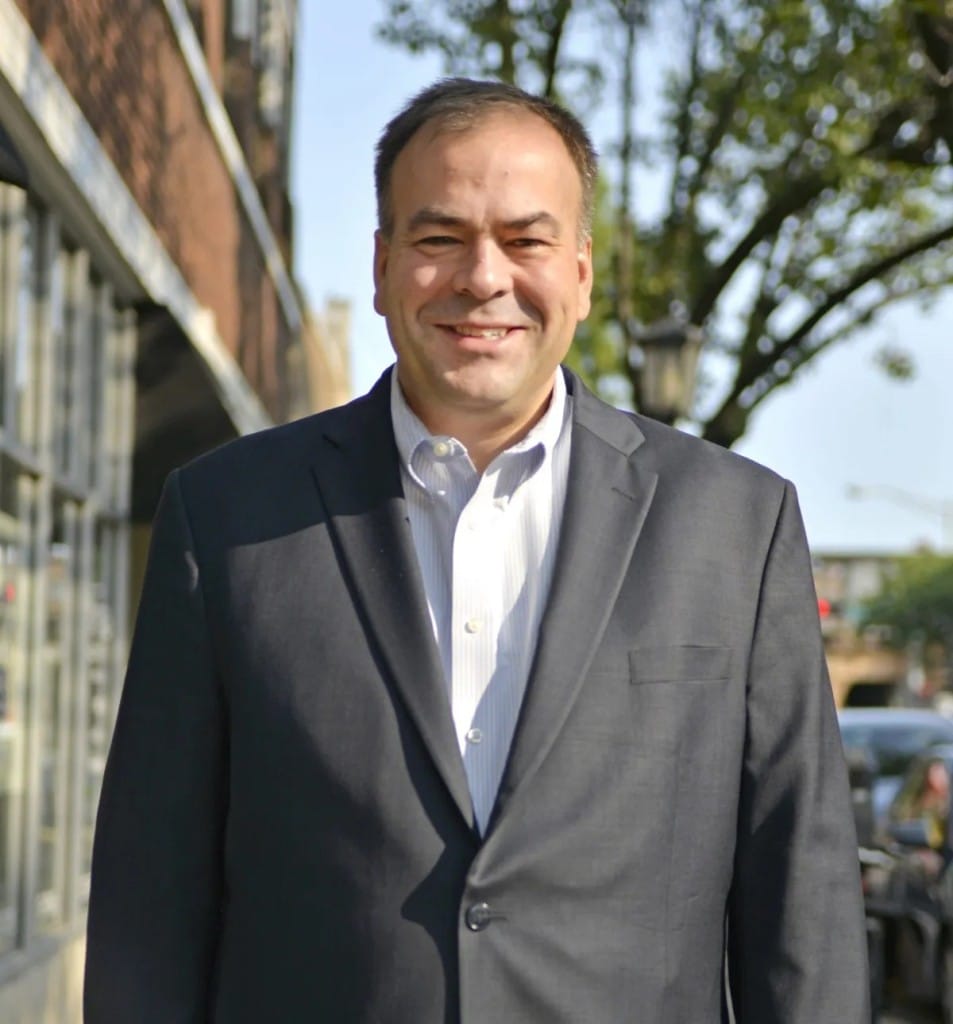
Ahead of the March 17 primary, the Harvey World Herald circulated a questionnaire to Cook County Assessor candidates. For those who have answered, there responses are published. Responses have not been edited.
1. Why are you running for the Cook County Assessor’s Office?
I’m running for Assessor because homeowners are getting screwed by special interests and corporate tax cuts, and we need someone in this office who will advocate for Cook County families instead of their donors. Before I was elected Assessor in 2018, the office was notorious for pay-to-play corruption, and homeowners were paying the price. We cleaned that up with strong ethics reforms, better data and models, and more transparency, making the system fairer and saving middle-class homeowners $2 billion in the process.
But parts of the system are still broken, with the Board of Review undermining our work by granting excessive tax breaks to the highest-value commercial properties in the county, including hotels, data centers, industrial sites, and luxury mixed-use
developments in the Loop. I’m running to make these big commercial properties pay their fair share, and to protect families from property tax spikes with more tax relief. I helped develop a roadmap of reforms with other county leaders — including the Board of Review — to do just that, and I’m the only candidate in the race who supports implementing it. I am also leading the fight for the “circuit breaker” in Springfield, which would protect homeowners when taxes spike over 25%.
Families in Cook County need the system to work for them, not big developers or their property tax appeal attorneys who make millions from tax cuts they don’t deserve.
2. What experience do you bring to the role, and how would you describe your leadership style?
Before becoming Assessor in 2018, I spent my career valuing assets as a financial manager. I spent 13 years at Columbia Wanger Asset Management, helping working families save for retirement. The job was about helping regular people build financial security. But during the Great Recession, I watched friends lose their homes. People who had done “everything right” suddenly couldn’t afford the neighborhoods where they’d raised their kids.
What made it worse was realizing Cook County’s property tax system was part of theproblem. Wealthy developers were gaming the appeals process to secure massive tax breaks, while middle-class homeowners were stuck paying the difference. The whole thing was rigged.
That’s what drove me to run in 2018. I knew we could fix this by making big corporations and luxury properties pay what they actually should, so working families aren’t carrying an unfair burden. We’ve made real progress, but the fight isn’t over. The Board of Review is still handing out excessive tax breaks to commercial properties. Homeowners need someone who won’t back down.
3. In what ways could the office collaborate with community organizations to improve the public’s understanding of the assessor’s functions?
We’ve dramatically expanded outreach and community engagement over the last eight years. We’ve expanded outreach to seniors, veterans, and people with disabilities so more homeowners know about the property tax relief they qualify for, and we’ve held more than 200 outreach events each of the past 3 years, averaging more than one per business day. This doesn’t happen without deep community ties and partnerships with local organizations, direct service providers, and community leaders.
We’ve also invested in remodeling our south suburban branch offices to improve public service. We have also moved more services online so that families do not have to travel to the Loop to access our services — this was especially helpful for our Latino and immigrant families when ICE was terrorizing Chicago during Operation Midway Blitz. In the next year, we will launch a new integrated customer service system to bring together all departmental activities with the public.
4. Southland property owners are regularly swamped by rising property tax bills, with perceived irregularity and unpredictability. This is particularly frustrating in municipalities plagued by de-population, disinvestment, poor infrastructure, subpar housing quality, and underperforming schools. How would you help bring predictability and reform to the assessment system for taxpayers, specifically, residential property owners?
Since taking office, I’ve worked to fix a broken property tax system that punished working families and small businesses while letting mansions, downtown skyscrapers, and big commercial properties slide by with low valuations. The biggest driver of high bills for Southland homeowners is that large commercial properties aren’t paying what they owe — the Board of Review keeps granting them excessive tax breaks, and homeowners pick up the tab. I’m fighting to reform that system so commercial properties pay their fair share, but I’m also pushing for immediate relief so families aren’t stuck waiting for the
system to catch up. Specifically, I have worked to:
- Make Property Taxes Fair for Working Families: Independent studies show that fairer
assessments under my tenure have reduced the tax burden for low and
middle-income homeowners by nearly $2 billion compared to what they would have
been under my predecessor. We stopped the long-standing practice of
over-assessing working-class neighborhoods and started properly valuing mansions
and luxury homes. - Expand Property Tax Relief: I championed legislation in Springfield to increase
property tax relief for the families who need it most, increasing the income eligibility
threshold for the Senior Freeze homestead exemption and making exemptions for
seniors, veterans, and people with disabilities automatically renew. Now I’m pushing
for auto-renewal of the Senior Freeze (HB 2536) so seniors on fixed incomes don’t have to file paperwork every year to keep relief they already qualify for. We already have this data on file — we shouldn’t expect our senior neighbors to trek out in bad weather to provide information we already have.
I am also fighting for the “Circuit Breaker” property tax relief program (SB1978 and HB3808) in Springfield, which would protect homeowners who experience tax bill spikes of more than 25% from one year to the next. This program exists in 29 other states and would directly address the unpredictability that Southland homeowners are dealing with right now.
5. How will you collaborate with county leadership to reform the property tax system?
The property tax system involves multiple offices, and some of the biggest problems
require working across all of them.
To make assessments fairer and stop the commercial shift long-term, my office is working to implement a roadmap of reforms to commercial assessments with other county tax offices. This would address how the Board of Review does not use consistent standards for appeals and how they use old data that ultimately results in large commercial properties getting valuation reductions 20-30% lower than their market value. The reforms include standardizing valuation methods across offices, more data sharing between offices, and increasing the Assessor’s staff so we can better defend our assessments at hearings on the largest commercial properties.
The goal is to stop the pattern in which corporations get deep, unwarranted cuts, so families no longer absorb the cost.
6. If elected, what major policy initiative would you intend to embark upon during your tenure?
Right now, parts of the property tax system are still broken — namely commercial assessments — and that results in homeowners paying more than they should. To lower costs for homeowners, I’m pursuing three key legislative initiatives:
● Reforming Commercial Assessments: The Board of Review keeps handing out massive tax breaks to Cook County’s highest-value properties like hotels, data centers, industrial sites, and luxury developments in the Loop. This year alone, nearly $500 million was shifted onto homeowners because of these cuts. I helped develop a roadmap of reforms at the county level, including the Board of Review, to stop this. The roadmap would ensure that the same valuation standards and data used in the Assessor’s office are also used by the Board of Review, so they no longer undo the work of my office. At the state level, I am also pushing for HB 1829, which would require large, income-producing commercial properties to submit updated information on their physical condition so they can be more accurately assessed.
● Circuit Breaker Property Tax Relief: I am championing HB 3808 in Springfield to protect low- and middle-income families if their tax bill increases more than 25% in a single year. Circuit breakers are already used in 29 states, and by targeting relief to the homeowners who need the most help, this program could be easily funded by the Illinois general fund.
● Senior Freeze Auto-Renewal: During the 2024 veto session, I worked with the Illinois General Assembly to pass legislation expanding the income eligibility threshold for the Senior Freeze homestead exemption. Now I’m pushing for HB 2536, which would allow auto-renewal so seniors on fixed incomes don’t have to file paperwork every year.
7. In what ways, if any, would you make data practices within the office more accessible and transparent to the public?
When I took office, the Assessor’s office was a black box. Nobody could see how assessments were calculated, and homeowners had no real way to understand or challenge them. We changed that.
We wrote our residential valuation models in open-source code and published them on our website — along with the data behind them — so anyone can inspect, download, and run them. For commercial properties, Cook County is now the first jurisdiction in the country to release individual assessment calculations without requiring a public records request. We also built a public portal where property owners can look up and correct the characteristics on file for their home — things like square footage or construction type that directly affect their assessment.
We overhauled reassessment notices so they include plain-language explanations, infographics, and step-by-step guidance, published in English, Spanish, Polish, Chinese, Arabic, and Tagalog. And we’ve taken the office on the road — more than 200 outreach events annually, including 70 in Spanish, where staff sit down one-on-one with homeowners to walk through assessments, explain exemptions, and help with appeals.
The results speak for themselves: residential appeals have dropped by more than 100,000 since 2018. Going forward, we’re launching a new integrated customer service system and expanding online tools so homeowners can better understand how their assessment compares to similar homes in their neighborhood.
8. How will you address erroneous exemptions or misclassified properties and build trust with property owners?
When large commercial properties get tax cuts at the Board of Review, homeowners and renters make up the difference. This year, those cuts added about $700 to the typical Chicago homeowner’s bill. If my assessments had held, about two-thirds of homeowners in Black and Latino neighborhoods would have seen their bills remain flat or decline.
My office is already correcting missing exemptions and assessment errors through certificates of error and outreach in the hardest-hit communities. We’ve held dozens of events on the West and South Sides to help homeowners get the relief they’re owed.
As for additional relief, I am leading the fight for ‘circuit breaker’ legislation in Springfield. HB 3808 would provide immediate tax relief to homeowners whose bills increase by more than 25% in a single year.
9. How would you define “success” in this role?
By the end of a four-year term, property taxes should be lower for homeowners because big commercial properties will be paying their fair share. In four years, my office will have fully implemented the County’s list of recommendations to close the commercial property valuation gap. We will have passed and implemented the property tax relief bill, delivering meaningful tax relief to hundreds of thousands of Cook County homeowners. We will have modernized all the characteristics data for 1.9 million residential and commercial properties – an accomplishment that my predecessors avoided for decades. Finally, we will have fully staffed the office to ensure timely tax bills, fair and efficient appeals, and transparency for taxpayers.
10. Is there anything else you were not asked about that you would like to communicate to voters?
I want Southland voters to know that I understand what’s happening to their property tax bills, and I’m not going to sugarcoat it. When the Board of Review hands out hundreds of millions in tax breaks to downtown skyscrapers and luxury hotels, that cost gets pushed onto homeowners across Cook County.
When I took office in 2018, the Assessor’s office had been run on pay-to-play politics for decades. Politically connected property owners got favorable treatment, and everyone else got stuck with the bill. We ended that. We banned pay-to-play donations from property tax lawyers, implemented strong ethics reforms, and built a system based on data and transparency instead of who you know. That’s the foundation everything else is built on.
I ran for this office because I believed working families deserved someone who would fight for them instead of cutting deals with special interests. My opponent is funded by the same property tax attorneys who profit from the commercial tax breaks that raise your bills. I don’t take their money, and I never will. That’s the choice in this race.
We’re filling the void after the collapse of local newspapers decades ago. But we can’t do it without reader support.
Help us continue to publish stories like these
Author

Related Articles
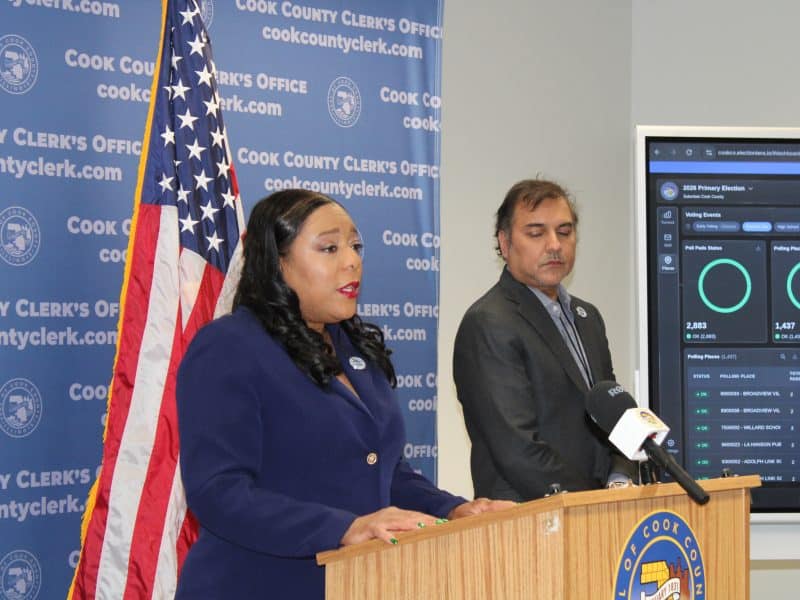
Cook County Clerk launches election tool to monitor real-time activity
The platform allows the clerk, which oversees elections, to track turnout, mail-in ballot activity, and aggregated data across the suburbs, promoting voter confidence.
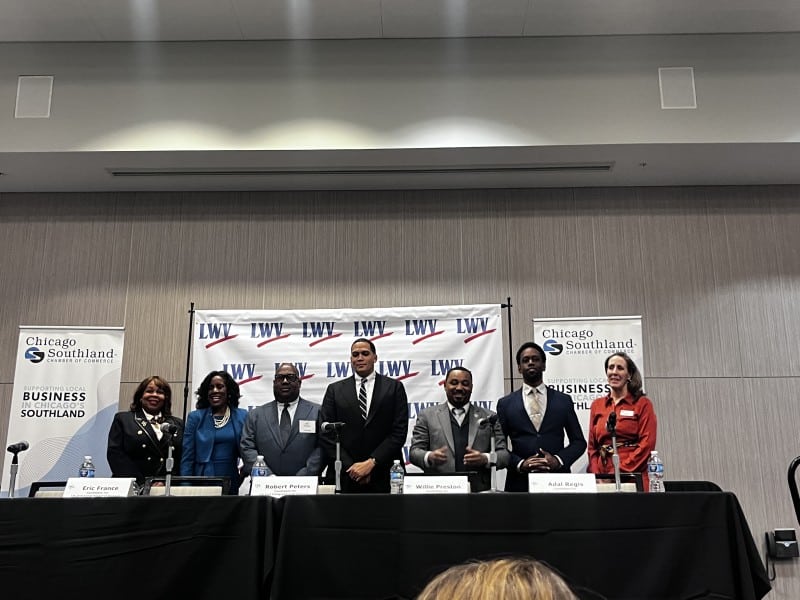
Southland voters seek economic development ahead of 2nd Congressional district race
After a forum featuring candidates in the race for Illinois’ 2nd Congressional district, Southland voters reflected on the objectives they seek from their ideal candidate.
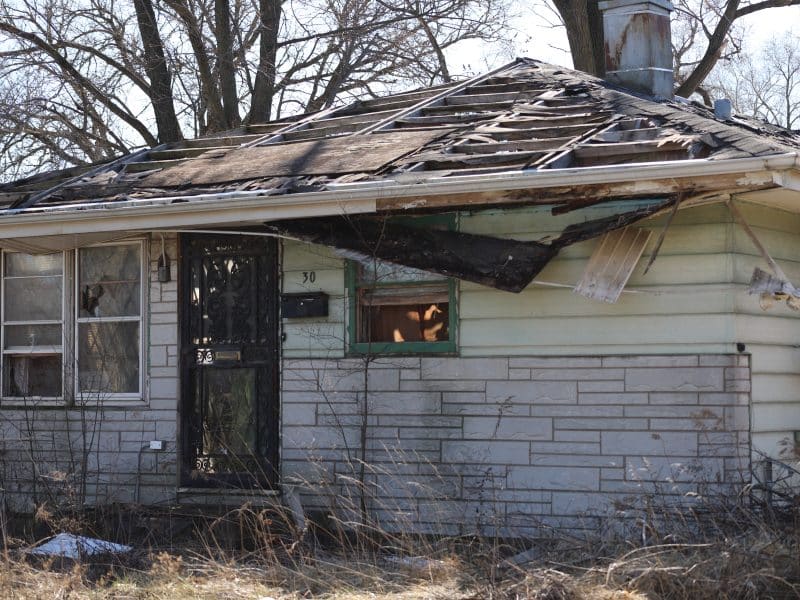
PHOTOS: In Dixmoor, a Cook County commissioner’s home languishes
While the 5th district’s Kisha McCaskill claims tax exemptions that reduce her bill on a Dixmoor home, it’s become an eyesore without proper upkeep.

