
COVID-19 Dispatch: What we know about BA.2, the latest subvariant that has the White House on alert
Previously dubbed “stealth Omicron,” BA.2 is believed to be driving the latest surge in Europe.
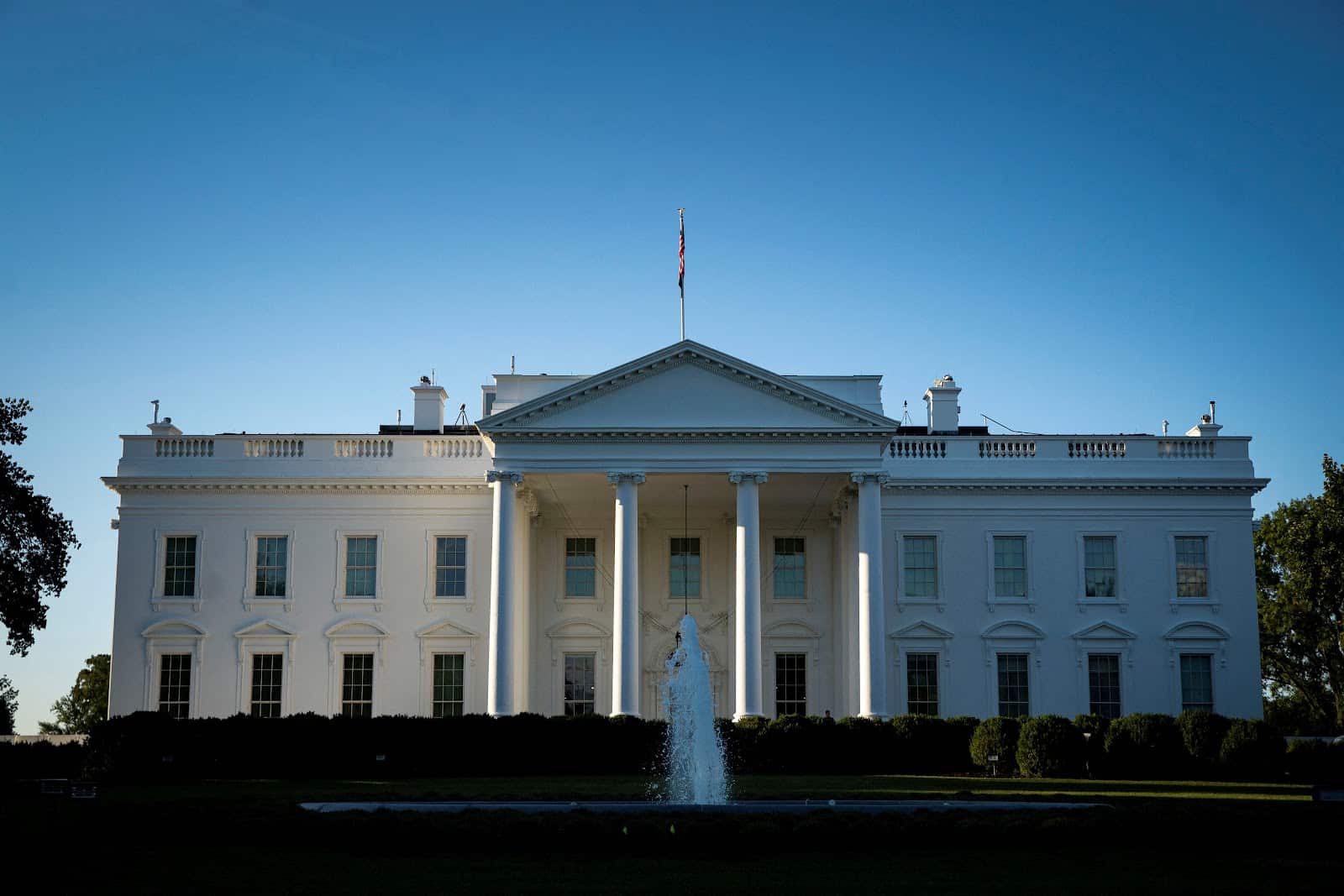
The fast spreading BA.2 subvariant is raising new concerns about a potential surge in COVID-19 cases in the United States in the coming weeks as White House officials try to move past the pandemic.
BA.2, previously dubbed the “stealth Omicron,” is 10 – 30% more transmissible than the subvariant responsible for the surge in cases last fall, BA.1. Early studies from researchers in the U.K. and Denmark show vaccines are effective against BA.2 and that it’s less severe than BA.1.
As of March 12, BA.2 now accounts for 23% of COVID-19 cases in the U.S., according to data from the Centers for Disease Control and Prevention. It accounted for 13% of COVID-19 cases nationwide just a week prior.
COVID-19 cases have risen in 26% of wastewater sites between March 1 and March 15, according to wastewater surveillance data from the CDC. The National Wastewater Surveillance System (NWSS), established by the CDC in September 2020, is a coordinated effort between local health departments to track the presence of SARS-CoV-2, the virus that causes COVID-19.
SARS-CoV-2 can be detected in feces, even if the infected person is asymptomatic, allowing researchers to determine if COVID-19 trends are increasing or decreasing at the sites. Of the 732 sample sites, the CDC has data available for 506.
Health experts in Europe first detected BA.2 last fall during the Omicron surge, dubbing the subvariant “stealth Omicron” because it was hard to detect using polymerase chain reaction, or PCR, tests.
But that name may be outdated as BA.2 is now rapidly spreading in Europe, some believing that it’s driving the caseload in some countries to record highs, according to the New York Times.
Throughout the pandemic, the U.S. has seen COVID-19 cases surge two to four weeks after a surge overseas — and hospitalizations tend to lag the surge in cases for the same amount of time.
Concern over BA.2 brews as all fifty states no longer mandate mask-wearing indoors, and the latest federal spending snafu between Democrats and Republicans comes as COVID-19 funding is slated to run out soon.
Congress passed a $1.5 trillion spending bill last week that included $13.6 billion in aid to Ukraine, currently under invasion from Russian forces. However, that bill didn’t include the $22.5 billion in COVID-19 response funding that the White House requested from Congress on March 3.
Republicans are pushing for more transparency from the White House on how much COVID-19 related funds remain and how the funds have already been spent for they approve more.
White House officials sent a letter to Congress last Tuesday painting a dire picture of what’s to come without additional money.
Without additional COVID-19 spending, the U.S. would see a significant decline in testing capacity after June, booster shot availability would be limited, and research labs would not be able to make advancements in vaccines or detect new variants, officials said.
In the face of a surge, health experts at the CDC expect the U.S. would bring back mask mandates.
We’re filling the void after the collapse of local newspapers decades ago. But we can’t do it without reader support.
Help us continue to publish stories like these
Author

Related Articles

EyeOnWater helping Phoenix residents avoid high water bills by spotting leaks
The free online tool allows users to track water usage and set up leak alerts.
All hell breaks loose at Harvey Park District board meeting over alleged mismanagement
The board abruptly adjourned less than 10 minutes after two commissioners called foul on operations, leadership, and finances.
‘Lessons from the Harvey experience:’ MWRD to improve community outreach for future stormwater projects
The Metropolitan Water Reclamation District plans to increase small-group public engagement surrounding future projects involving eminent domain and the acquisition of private property.

