
‘I don’t know where my money’s going’ : Ward reimbursements stall for council members
Harvey City Council heard updates from city departments at its April 11 meeting while Mayor Chris Clark fielded financial questions from council members.
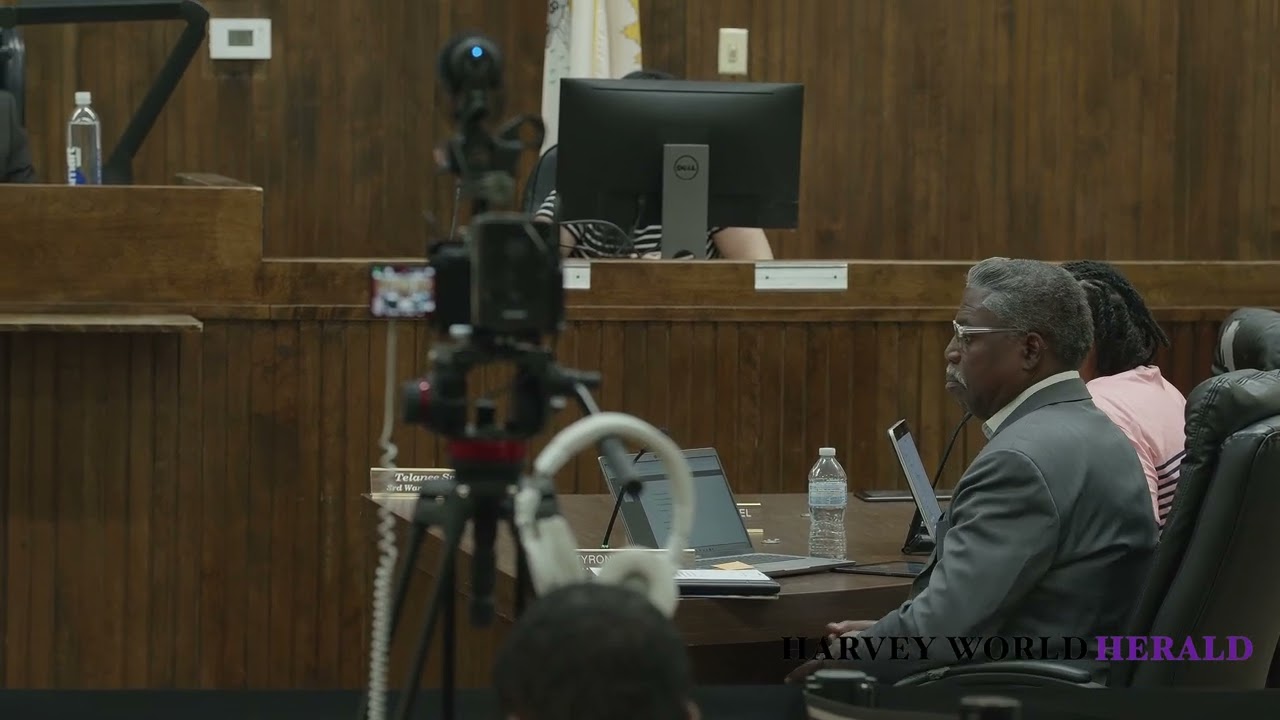
Financial questions plague Harvey City Council meetings, as alderpersons lack ward reimbursements.
Ald. Colby Chapman (2nd) said she hasn’t received her aldermanic reimbursement from the city despite its approval in July 2024. “This delay only deepens concerns about transparency and fiscal responsibility,” Chapman said.
Ald. Tracy Key (4th) echoed Chapman’s concern. He said that though alderpersons are allocated $25,000 per year for seven years, he hasn’t received that amount. “I don’t know where my money’s going,” Key said. “I’m still waiting on my reimbursement check to help my ward.”
There were no action items. Alds. Shirley Drewenski (1st), Telanee Smith (3rd) and city treasurer Aisha Pickett were absent.
Public safety
At the time of the meeting, Harvey recorded two homicides in 2025, according to Deputy Police Chief Derrick Charles. There were 10 homicides in 2024. According to Charles, the department reports a 50 percent clearance rate for both years. If true, that would mean the department clears homicides at a pace lower than the national average. According to the Federal Bureau of Investigation’s Justice Information Services, the national homicide clearance rate is 57.8 percent.
Infrastructure
According to City Administrator Corean Davis, the city has submitted a total of $89 million in capital improvement requests to Illinois to address road degradation. That includes an estimated $8.3 million annually over 10 years to fix all streets.
As the weather warms, so does illegal dumping, according to Public Works Superintendent Richard Seput. He announced plans to install cameras and signs to deter fly dumping in hotspot areas. Residents can report illegal dumping through the Harvey Police Department’s non-emergency line.
Abandoned buildings and mysterious fires
The city’s capital improvement plan includes a $2 million request to address abandoned buildings. Davis said the funds would be used to acquire and demolish abandoned properties to improve safety and aesthetics.
During public comment, Ryan Sinwelski questioned the council and fire department about why an April 9 fire at 15322 Loomis St. went unannounced through official channels. He urged the fire department to post publicly accessible fire data online.
“I was told that there will be no investigation of this fire and that this is yet another fire started by squatters,” Sinwelski said. “Obviously, this is very concerning because we tend to have a lot of fires in Harvey, and we’re not really getting answers about them.”
Mayor Chris Clark kicked the can on transparency, redirecting residents to local media for updates.
“We do not go out to the residents every time there is a fire. We don’t go out to the residents every time a cat is stuck in a tree,” Clark said. “We do not go out to the residents every time there’s something that happens in the city. Every single time, if there are major issues, they are usually reported by local journalists.”
Harvey Fire Chief Howard Fisher reported that the department responded to 120 calls in March: 15 fires, 27 house calls, and nine false alarms.
Unpaid commercial property taxes
“In my mind, if a business is not paying its property taxes, then every citizen of this city should be incensed by that,” Clark said. According to Clark, 465 commercial parcels in Harvey failed to pay property taxes in 2021, resulting in over $12 million in uncollected revenue.
In January 2024, the City Council approved an ordinance revoking business licenses for companies located at tax delinquent commercial properties — whether that business owns the building or not. Afterward, the city released a “settlement agreement,” wherein businesses pay fines ranging from $12,000 to $30,000 while the property tackles indebtedness. Clark’s administration also placed concrete barricades before tax-delinquent businesses.
That prompted a federal lawsuit against Clark, Davis, Charles, and others, alleging the administration and police are extorting local businesses.
Clark said the city’s license fee program was optional for business owners trying to settle their tax issues. “If the businesses chose to take that option, they chose to pay a certain amount in lieu of paying their taxes until they can get their tax issues straightened out, so that’s hopefully what they are working on,” he said.
The state’s property tax code only permits the county treasure to send bills and collect tax payments; None of the money Harvey generates through the “settlement” can be applied toward Harvey’s delinquent commercial property taxes.
Officials have not publicly stated what they are doing with the money, how much has been collected, and how many business owners have paid fines.
We’re filling the void after the collapse of local newspapers decades ago. But we can’t do it without reader support.
Help us continue to publish stories like these
Author

Related Articles
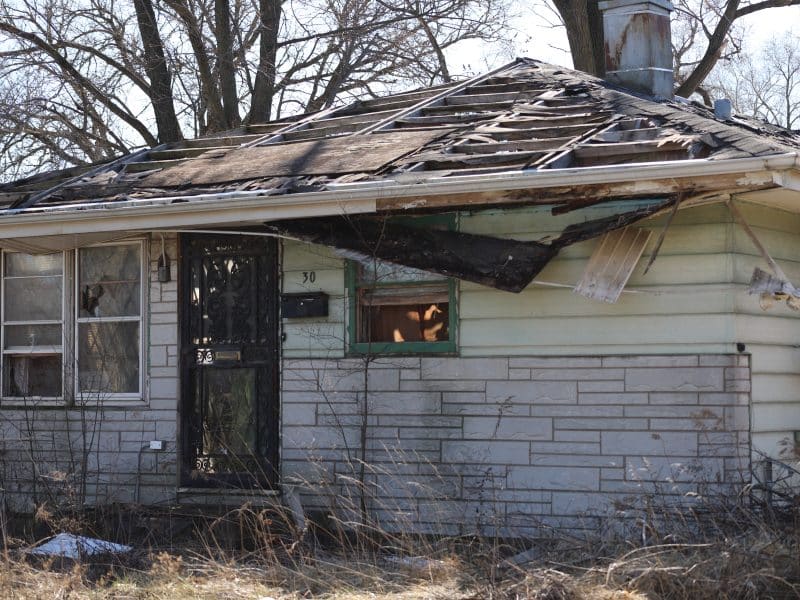
PHOTOS: In Dixmoor, a Cook County commissioner’s home languishes
While the 5th district’s Kisha McCaskill claims tax exemptions that reduce her bill on a Dixmoor home, it’s become an eyesore without proper upkeep.
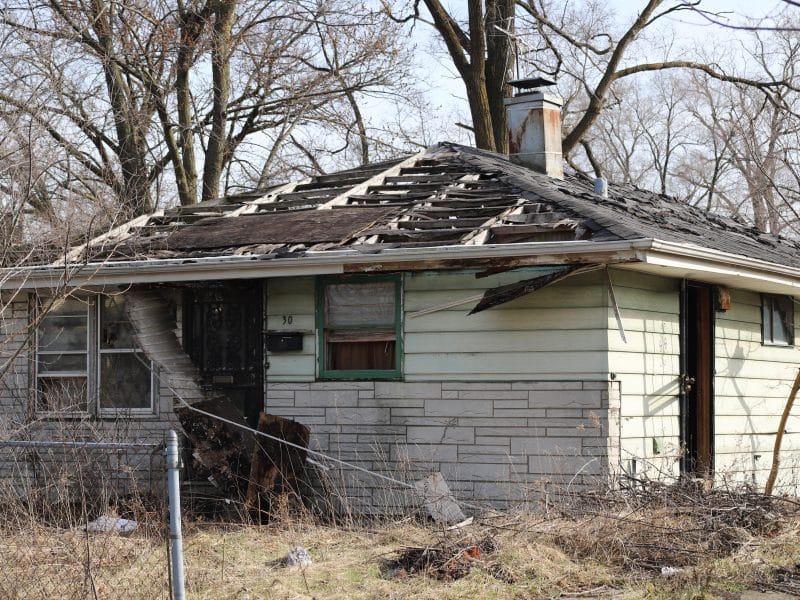
Cook County Commissioner Kisha McCaskill claims tax exemptions on abandoned Dixmoor property
Although she claims homeowner and senior exemptions, McCaskill does not reside in the home, which is a vagrant. The Cook County Assessor’s Office has referred the matter to its erroneous exemption department for investigation.

People over politics: How Kiana Belcher is fighting the Southland political machine
Dolton trustee Kiana Belcher’s most striking qualities are her bluntness and humility. She’s tapping into both to upend politics that prioritize hubris over public service.

