
The effort to pull back the veil of business development in Harvey
A new effort to open a full-scale grocer reinforced residents’ concerns there’s not much public input into city business.
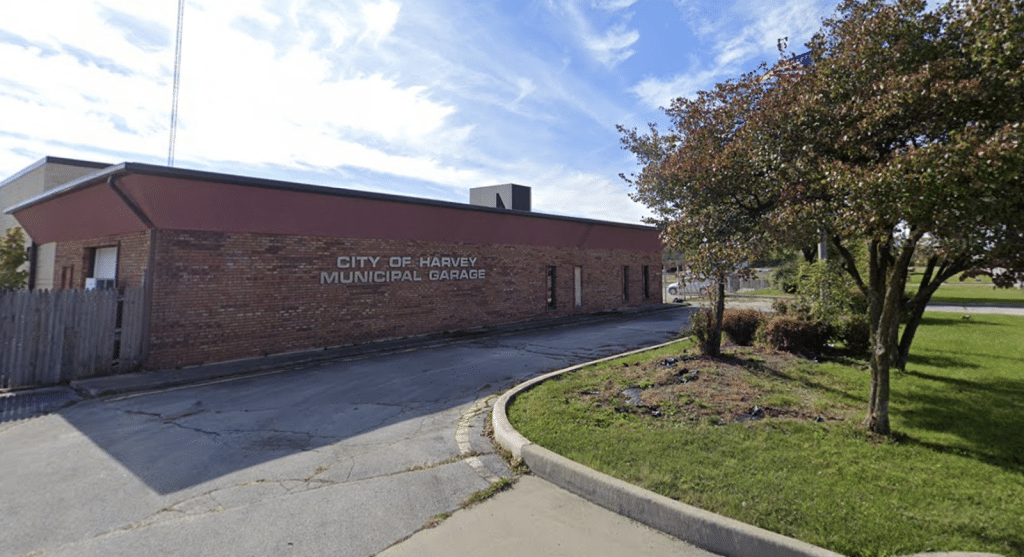
Empty nester and divorcee Glynis James-Watson had homeownership and a spiritual journey on her mind when she purchased her home in Harvey. Evanston, where she resided for 30 years, proved too expensive. Online search results for homes to buy kept showing Harvey, and she considered it a sign.
She purchased a house and has called Harvey home for two years now. It’s a far cry from the northern suburb associated with its affluence and groundbreaking reparations policy work. James-Watson finds herself a regular at City Hall of Harvey.
“I’ve attended more city council meetings in the two years I’ve lived in Harvey than I did in 30 years living in Evanston,” she said. “I feel almost like I’m obligated to because I want to know what’s going on. Harvey doesn’t livestream its meetings, properly release minutes, or give detailed descriptions in its meeting agendas.”
In Evanston, agendas are paired with the packets provided to the City Council. Both are posted online ahead of the meeting for residents to review. A “disheartened” James-Watson expressed her concerns to City Council, asking city officials to release the packets they receive prior to the meeting so residents can communicate concerns to their alderperson.
They told her detailed information is released after a vote takes place, she said. After meetings, the city posts flyers in the lobby of City Hall that includes agenda items, a brief description, and how each alderperson voted on the measure. But Harvey City Clerk’s Office had previously failed to post detailed meeting minutes online after the sessions.
Harvey’s government is unnecessarily bureaucratic. Residents must often wage grand fights to learn minimal details about business dealings. Opaque public meeting agendas that restrict community dialogue are ratcheting up frustrations the city is closed off to the public it’s obligated to serve.
The public works facility sale
Harvey has struggled to retain full-scale grocery stores, many of them circling the drain shortly before the COVID-19 pandemic’s onset. But a new effort to open a grocer seemingly reinforced concerns city officials conduct major business deals without public input.
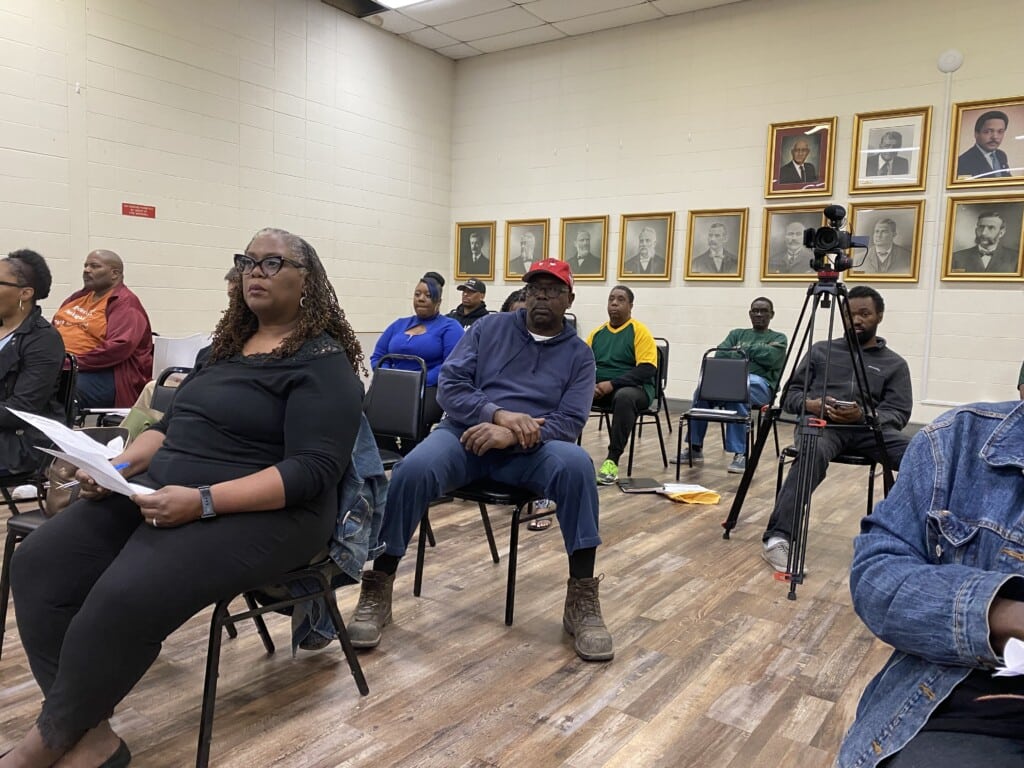
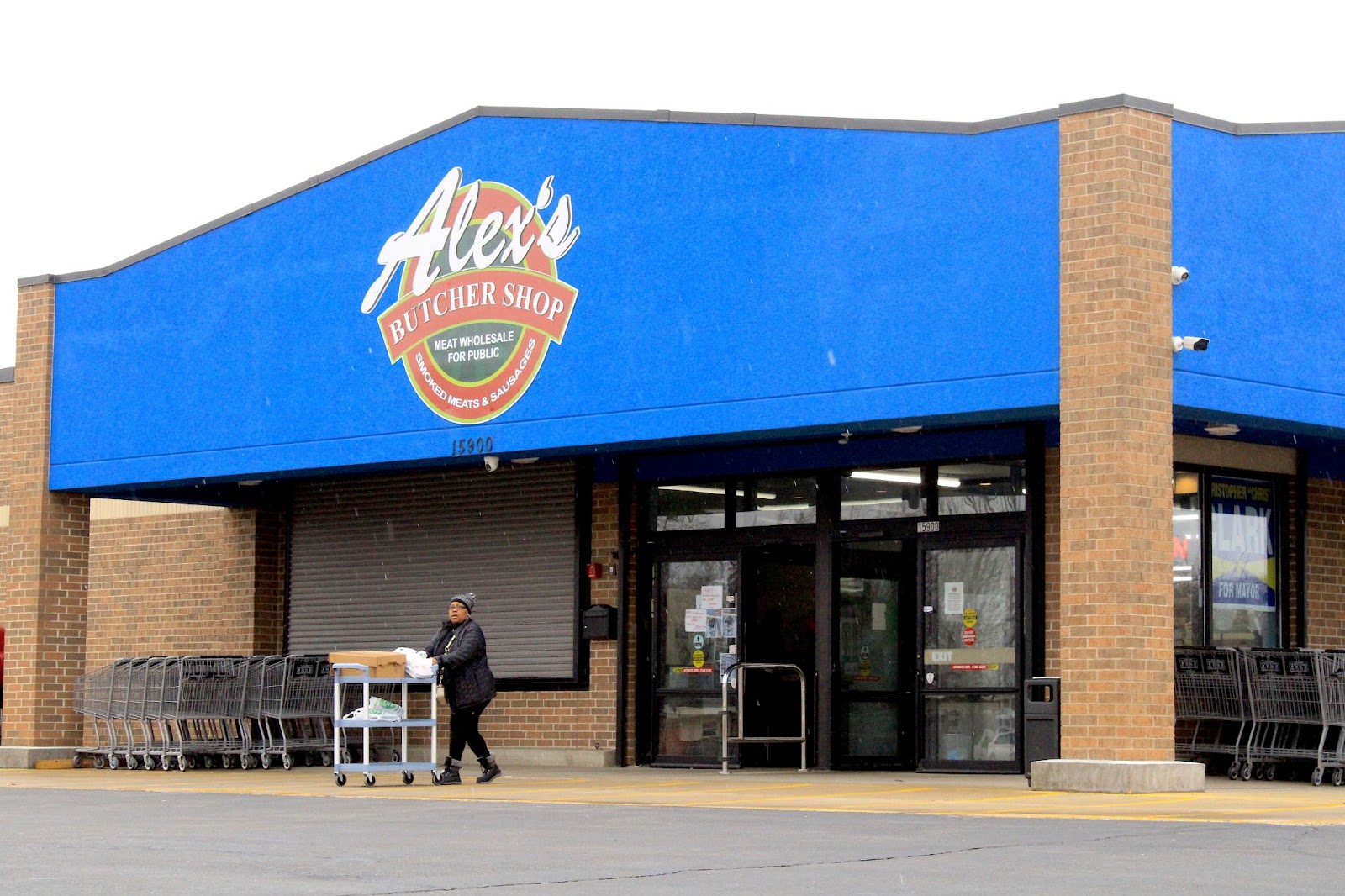
In April, the council unanimously approved selling the city’s public works facility on 159th Street to the Wogat Investment Group, which operates Alex’s Butcher Shop up the street, for $175,000, according to city records obtained by the HWH via public records request.
The investment group will lease the northern end of the current public works facility to Harvey to continue public works activities for 30 months at $10 a month. In that time, WIG will build a new, 9,000 square foot public works facility made of pole barn steel on the campus’ southern end.
That will include exterior fencing, lighting, and two heated and cooled portable offices equipped with a reception space, break room, and restrooms for public works employees. Once the lease is up, the city will continue using the new space.
The property will also receive a Class 8 tax designation, lowering the real estate assessment rate from 25% of its market value to 10% for upwards of 12 years.
The deal basically means Harvey, already cash-strapped, will get both a full-scale grocer and improved public works facility, subsidized by private dollars. The Class 8 tax designation will help lower WIG’s tax bill.
This all comes amid a new effort to tackle food deserts, communities that lack access to a grocery store. Last fall, the Cook County Board of Commissioners, sponsored by Commissioner Donna Miller (6th), approved a bill that offers a tax incentive for small grocers to expand or open new establishments in food insecure areas.
Some Harvey residents applauded the effort during public comment. But they’d also like more public input before selling city-owned land.
“Honestly, I didn’t know anything,” said Ryan Roman Sinwelski, a member of the planning commission. “The first I [knew] of the sale was when it was posted on the meeting agenda a few days before.”
Transparency in business development was one topic driving the 2023 mayoral race.
As the sole mayoral candidate who attended a candidate forum, Harvey Public Library District trustee Anthony McCaskill alleged that Clark accepted campaign donations in exchange for business deals, including the new Burger King under construction along Dixie Highway.
McCaskill did not provide any evidence to support those claims.
WIG’s involvement in this grocer effort does raise eyebrows, however. Alex’s, which opened last summer, donated $8,500 to Clark’s 2023 reelection bid, according to state campaign finance records.
Mayor Chris Clark’s office did not respond to requests for comment.
A Freedom of Information Act request was submitted seeking email exchanges involving Tad Kuriata, WIG owner and Alex’s manager, but the Clerk’s Office hasn’t processed the FOIA request.
The HWH is preparing to refer these FOIA requests to legal counsel for further review.
The amicus briefs
Packets are typically sent to alderpersons that Friday before the Monday night meeting but can become available to the public through a FOIA request. However, the meeting will likely have already passed.
And with only 48 hours to digest an amicus brief of what could be 100 or more pages, it means alderpersons must sacrifice their weekend to read through or vote that Monday not having read all the documents.
While Harvey residents have difficulty accessing City Council meeting packets, they can find meeting agendas on Harvey’s website. Sinwelski said they often lack the detailed descriptions necessary for Harvey residents to track agenda items and understand the impact proposals could have on the city.
Ordinance numbers, for instance, are notoriously left blank. That makes it cumbersome for a resident to review the item in the city’s already befuddled municipal code or file a public records request for additional details.
The April 24 agenda where council approved the sale didn’t provide any information to residents about the other than the address and purchasing party.
Residents didn’t know the sale price or the agreement’s complete terms and conditions, which states the “buyer may, in its sole and absolute discretion, for any reason or no reason, give written notice to the seller to terminate (the) agreement.”
This approved lease can be “terminated by either party for any reason upon 90 days written notice,” according to the lease agreement provided in the packet, another detail Sinwelski said he wasn’t informed of prior to the meeting.
The mayor’s office did not respond to questions from the HWH about the contingency plan if WIG abruptly terminates the lease.
When Harvey residents show up to City Council meetings they aren’t always informed of small details either, Sinwelski told the HWH. “An ongoing frustration of ours [is] transparency and communication,” Sinwelski said. “They put stuff on the agenda [and just] vote on it. There’s no explanation, there’s no debate.”
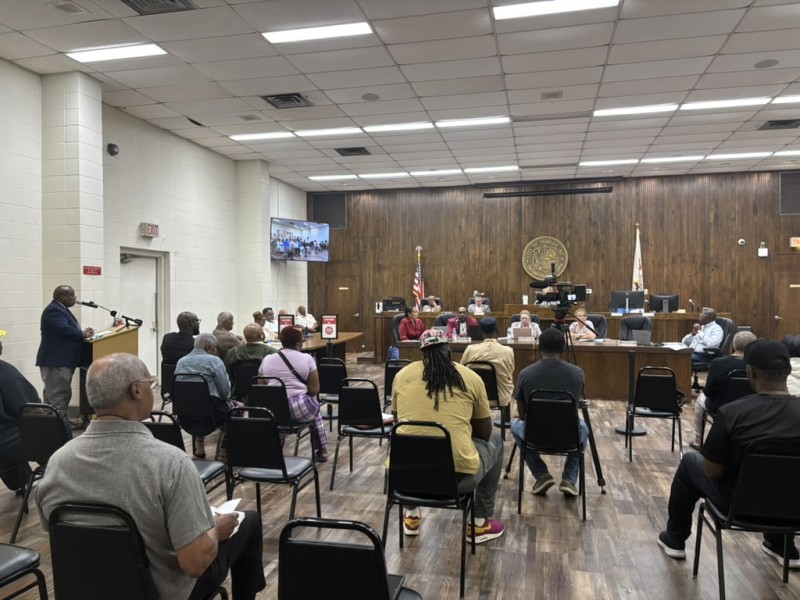
The council votes in less than five minutes of discussion, he added. The entire April 24 City Council meeting happened in less than 20 minutes, according to a meeting recording.
Recommendations for change
Since the spring elections, James-Watson has complained about city communication faux paus during public comment. The city no longer live streams its meetings for people to watch from home, something she wished the city would start again.
Sinwelski said adding descriptions to the City Council agendas could be a quick remedy to his concern. Even routine agenda items, like approving expenses, could have more details, he said. When describing what residents like to see in Harvey’s agendas and meeting packets, James-Watson and Sinwelski pointed to James-Watson’s former home of Evanston.
“I love how [Evanston’s agenda lists requesting] approval of a BMO Harris Amazon credit card activity,” Sinwelski said. “It’s a step recommended to authorize, they give the amount and it gives a little breakdown of where the money’s coming from.”
Freshman Alderwoman Colby Chapman (2nd) is joining Sinwelski in asking the city to release more information to residents.
She releases the meeting packets to her constituents per request one-on-one even though Harvey lacks a clear policy regarding the document’s distribution. She told the HWH this local ambiguity is the reason why she doesn’t post the packet online for mass consumption.
“I don’t know if I can share it on a social platform because the city has never presented that type of correspondence,” Chapman said.
However, there’s nothing in the Open Meetings Act, the state’s transparency law, that would legally prohibit Chapman or any other city official from releasing the packets to the public before the meeting—meaning alderpersons could do so if they wanted.
Alderpersons Tyrone Rogers (6th) and Shirley Drewenski (1st) told the HWH they’re open to publicly distributing meeting packets.
Drewenski is in favor of releasing packets while Rogers would like to see discussion take place in the City Council. Rogers said the packets are currently handled by the Clerk and Mayors office.
“I feel it would be beneficial if these documents were listed on the website but it’s not necessary under the law,” Drewenski said.
We’re filling the void after the collapse of local newspapers decades ago. But we can’t do it without reader support.
Help us continue to publish stories like these
Author

Related Articles
Harvey seeking $1.6 million loan from Cook County due to property tax bill delays
The city is seeking a $1.6 million loan from the Cook County Property Tax Bridge Fund due to delays in property tax bills. The program assists taxing districts that heavily rely on property taxes for their revenue.
Hazel Crest distributing 14,000 pounds of food for families impacted by Southland tornadoes
Harvey, Homewood, Markham, and Hazel Crest residents can receive food from the village and faith partners on August 25, and volunteers are needed to prepare.

Another tornado hits south suburbs. Here’s where to get help.
A second tornado hit Homewood, Flossmoor and Glenwood. Here’s who to call for tree removal, electric repairs, food replacement and shelter.


