
Phase two of 154th Street rehabilitation gets $400,000 boost for pavement and stormwater improvements
With the funds, the city will renovate stretches of pavement between Wood Street and Broadway Avenue. The city will also replace parts of the sewer line along Wood Street.
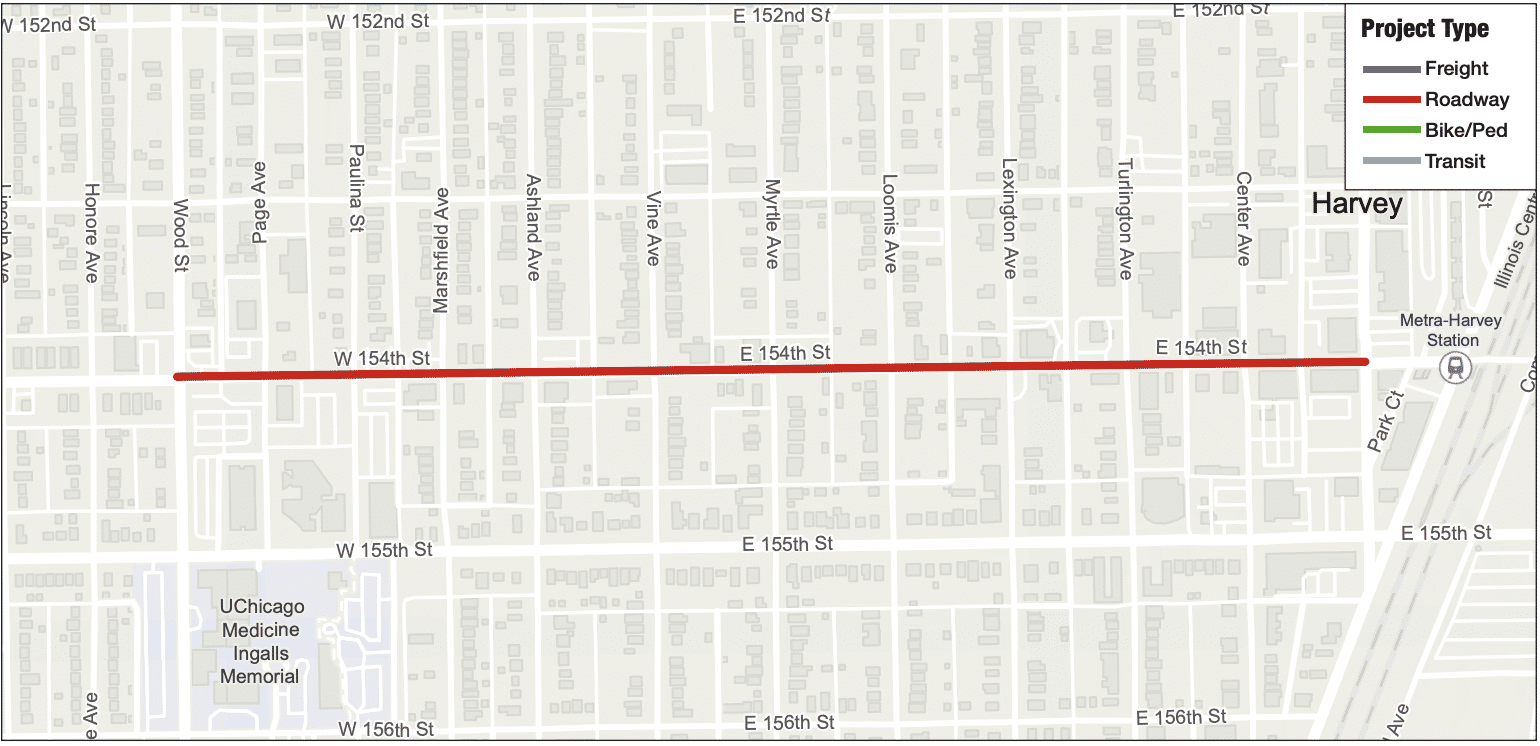
Sidewalk, pavement, and lighting conditions along the 154th Street corridor are getting a boost from a county program that invests in transportation-related projects.
Through its Invest in Cook program, the Cook County Department of Transportation and Highways awarded Harvey $400,000 to complete the second phase of improvements to the 154th Street Corridor.
With the funds, the city will renovate stretches of pavement between Wood Street and Broadway Avenue. The city will also replace parts of the sewer line along Wood Street.
In 2020, the county awarded Harvey $420,000 for sidewalk improvements, including bringing parts of 154th Street between Park Avenue and Wood Street into compliance with the Americans with Disabilities Act. That project kicked off in late May, with the City Council awarding the contract for the project to J & J Newell Concrete Contractors, Inc. that very month.
The three-phase project is part of a larger vision to construct bike and pedestrian lanes that connect the Harvey Pace Transportation Center downtown with the University of Chicago Ingalls Memorial Hospital.
There were 39 municipalities awarded grants this year, totaling $8.9 million in pedestrian and bicycle improvement projects.
“Making equitable investments to ensure that each community has a robust transportation infrastructure is essential to creating a more vibrant Cook County,” said Cook County President Toni Preckwinkle.
“Over half of projects receiving funding this year are in traditionally underserved areas. When we lift these communities up by making commuting easier and more accessible, we’re improving the quality of life for not only these residents but for all County residents.”
Launched in 2017, the Invest in Cook funds allow municipalities to cover planning, engineering, right-of-way acquisitions, and construction costs for transit-related initiatives.
Since its inception, the program has awarded over $48.7 million toward a total of 205 projects.
We’re filling the void after the collapse of local newspapers decades ago. But we can’t do it without reader support.
Help us continue to publish stories like these
Author

Related Articles
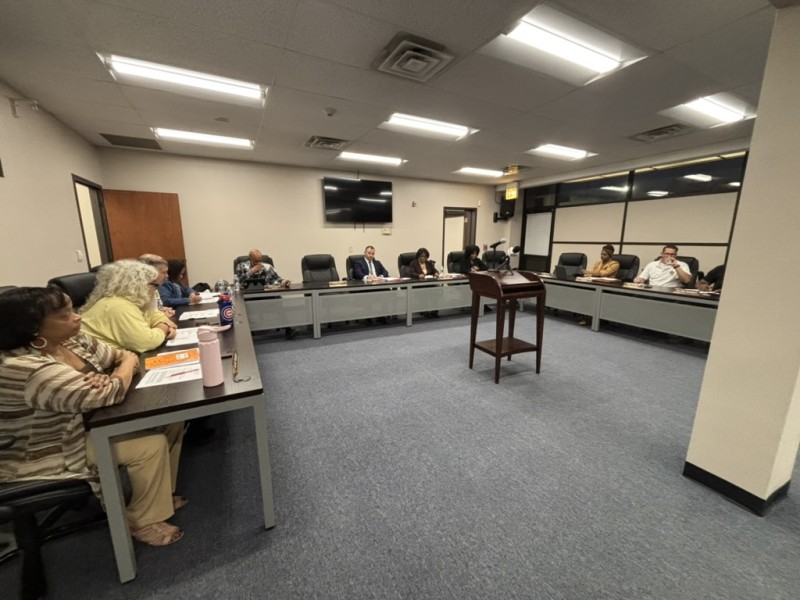
Riverdale moving forward with cigar lounge under zoning amendment
The village granted business owners a conditional-use permit to operate a new cigar lounge at 11 W. 144th St. after gaining approval to rezone the property.
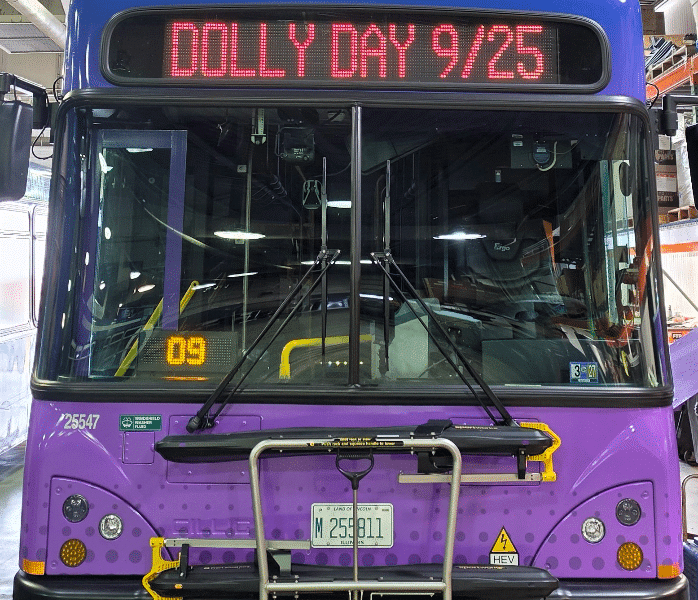
Pace to celebrate Dolly Day with little libraries across six transit stations, including Harvey
September 25 is Dolly Day, in honor of late singer Dolly Parton and her hit single and film “9 to 5.” Straphangers can take and leave a book at the Harvey bus station, along with five other locations.
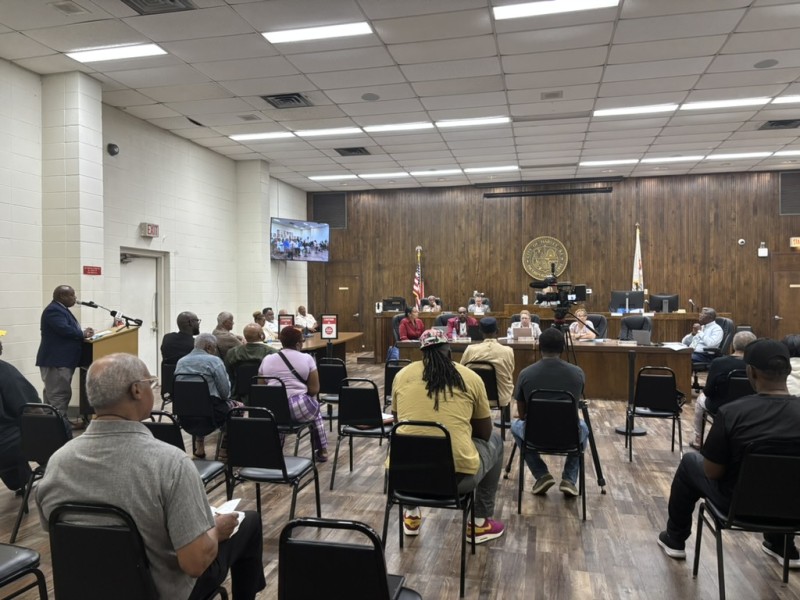
Harvey seeking $1.6 million loan from Cook County due to property tax bill delays
The city is seeking a $1.6 million loan from the Cook County Property Tax Bridge Fund due to delays in property tax bills. The program assists taxing districts that heavily rely on property taxes for their revenue.


