
Harvey awarded $1.6 million in second round of federal ARPA funds
Municipalities can use the funds allocated through the American Rescue Plan Act on a range of items, like upgrades to water, sewer, or broadband infrastructure, costs of responding to COVID-19, or the negative impacts of COVID-19 on small businesses, essential workers, or households.
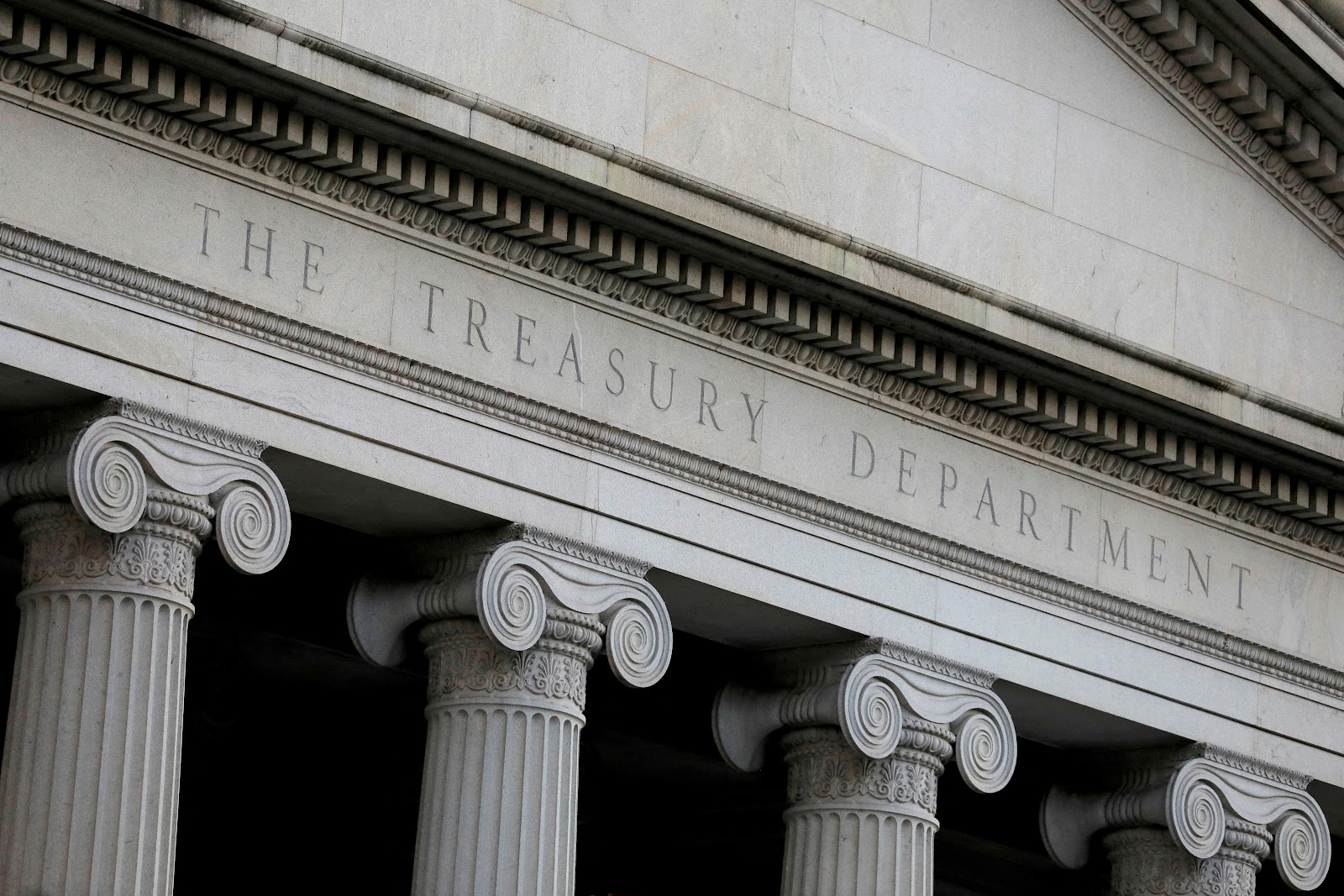
More federal COVID-19 funding is coming to Harvey.
The city will receive a little over $1.6 million in federal funding through the American Rescue Plan Act, officials from the governor’s office and Illinois Department of Commerce and Economic Opportunity announced Monday.
Direct federal aid was provided to areas that have populations higher than 50,000. For those under that threshold, like Harvey, states receive funding from the United States Treasury and are responsible for distributing relief through Non-Entitlement Units, or NEUs.
Harvey is one of 1,200 towns or villages across the state receiving aid this way. The state is distributing a total of $371 million through the second round.
“As communities continue to recover from the pandemic, we are issuing the second round of federal funding for a total of $742 million specifically designated for smaller localities,” said Governor JB Pritzker. “This critical funding will help localities cover remaining pandemic-related costs incurred while supporting communities in every region of the state.”
Municipalities can use the funds on a range of items, like upgrades to water, sewer, or broadband infrastructure, costs of responding to COVID-19, or the negative impacts of COVID-19 on small businesses, essential workers, or households.
Communities receive the same amount of funding in the second round as they did in the first. That brings Harvey’s total allocation to roughly $3.3 million.
Every local government that received funding will be required to provide the U.S. Treasury with an expenditures report by the end of April 2023, and annually thereafter.
See the full list of recipients, their first and second round allocations, and total allocations here.
We’re filling the void after the collapse of local newspapers decades ago. But we can’t do it without reader support.
Help us continue to publish stories like these
Author

Related Articles
Riverdale moving forward with cigar lounge under zoning amendment
The village granted business owners a conditional-use permit to operate a new cigar lounge at 11 W. 144th St. after gaining approval to rezone the property.
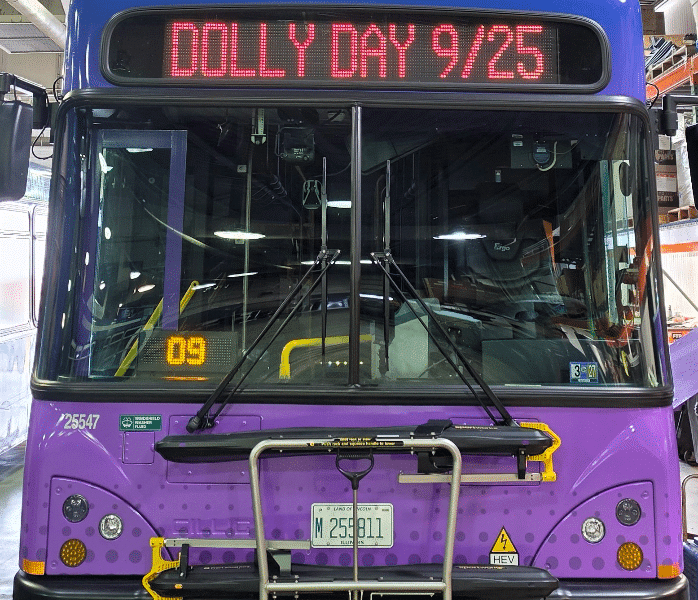
Pace to celebrate Dolly Day with little libraries across six transit stations, including Harvey
September 25 is Dolly Day, in honor of late singer Dolly Parton and her hit single and film “9 to 5.” Straphangers can take and leave a book at the Harvey bus station, along with five other locations.
Harvey seeking $1.6 million loan from Cook County due to property tax bill delays
The city is seeking a $1.6 million loan from the Cook County Property Tax Bridge Fund due to delays in property tax bills. The program assists taxing districts that heavily rely on property taxes for their revenue.


