
UChicago Ingalls launches residency programs to address Southland physician shortage
Medical school graduates can apply to family medicine and internal medicine programs, designed to help Ingalls become a model academic community hospital.
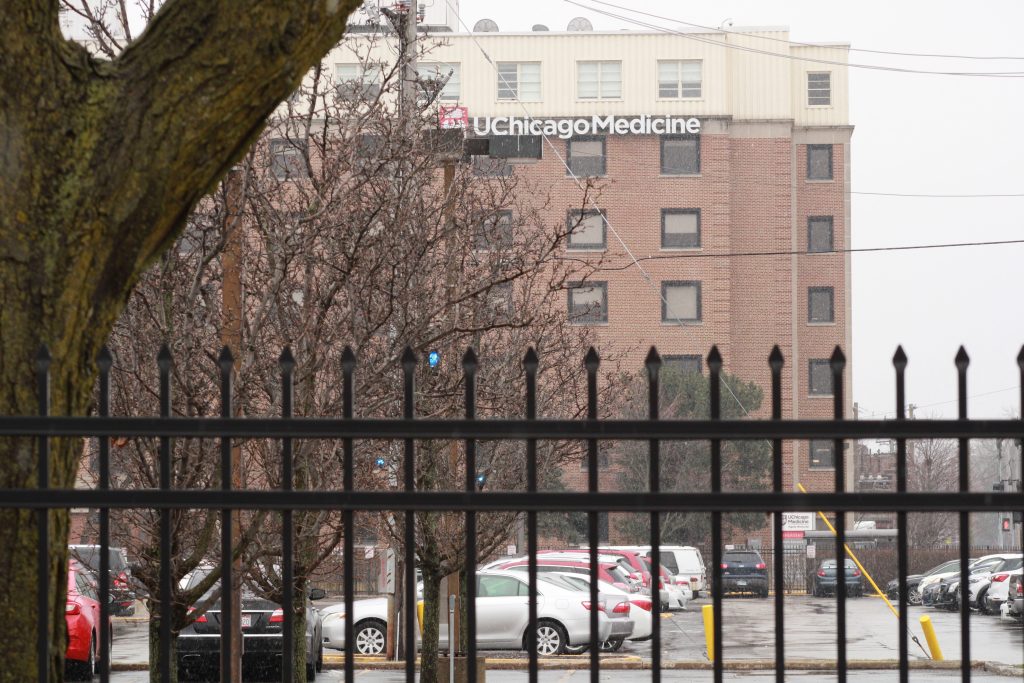
UChicago Ingalls Memorial Hospital is launching two residency programs in Harvey, designed to address a growing healthcare shortage of doctors.
Beginning Sept. 2, medical students can apply to a family medicine residency. Applications for an internal medicine program will open late September.
The move is part of Ingalls’ strategic plan to become a model academic community hospital and comes as the United faces a shortage of upwards of 86,000 doctors by 2036, according to a study from the Association of American Medical Colleges.
The first cohort of eight students in the three-year family medicine program will begin in July 2027. Twenty-four students will participate by 2029. Most training will occur at Ingalls and Family Christian Health Center. Comer Children’s Hospital on UChicago Medicine’s main campus in Chicago will host the pediatric rotations.
“Residents will have the opportunity to really train at the intersection of clinical excellence and community-centered care,” said Roxanne Smith, MD, Program Director of Ingalls’ Family Medicine Residency.
Sixteen residents will begin the three-year internal medicine residency in July 2027, with 48 total when it reaches full capacity. Part of their training will also include outpatient care at a facility currently under construction.
A key marker of the programs will be hands-on, one-on-one instruction that students receive, harder at larger academic institutions.
“Normally, upper-level residents oversee interns, but this initial class will receive additional personalized attention because attending faculty will be functioning as the supervising physicians as we build up the program,” said John Yoon, MD, Program Director for the Internal Medicine Residency.
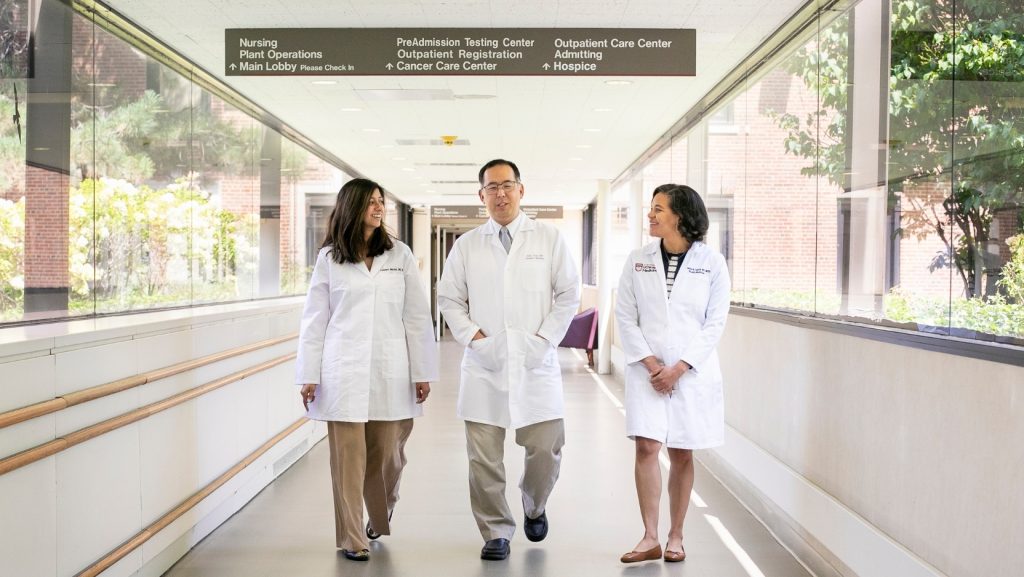
Medicaid recipients account for one-third of Ingalls patients, and one in five residents in the hospital’s service area live at or below the federal poverty level, according to a statement from the hospital.
“There’s a big push to correct these physician shortages and geographic maldistribution by expanding residency training opportunities, particularly in areas where there are health profession shortages and workforce needs,” said Vineet Arora, MD, Dean for Medical Education at the University of Chicago Pritzker School of Medicine.
The hope is that these environments could compel physicians to continue practicing in the Southland after their residency is finished. “Where you train in residency predicts where you practice,” Arora said.
There are also benefits to Harvey and Southland patients, namely in patient care.
“[…] every case gets a second look, which benefits the patient,” said Lakshmi Warrior, MD, Chief Medical Officer at UChicago Medicine Ingalls Memorial. “Resident trainees will also have a smaller roster of patients, meaning they can provide more personalized attention to each individual.”
The programs are supported by a $5 million investment from the Ingalls Development Foundation, as well as the American Association of Osteopathic Medicine Innovations in Graduate Medical Education Development and UChicago Medicine. The investment also supports renovated resident call rooms and offices.
“[The investment is] about strengthening the physician workforce in the Southland and building the kind of academic community hospital that can serve this region for generations to come,” said UChicago Ingalls President Mike Antoniades.
We’re filling the void after the collapse of local newspapers decades ago. But we can’t do it without reader support.
Help us continue to publish stories like these
Author

Related Articles
Hazel Crest distributing 14,000 pounds of food for families impacted by Southland tornadoes
Harvey, Homewood, Markham, and Hazel Crest residents can receive food from the village and faith partners on August 25, and volunteers are needed to prepare.

Pritzker signs disaster declaration days after surveying Lansing storm damage
Local governments can now seek up to $250,000 in Community Development Block Grant dollars through the state to aid recovery efforts.
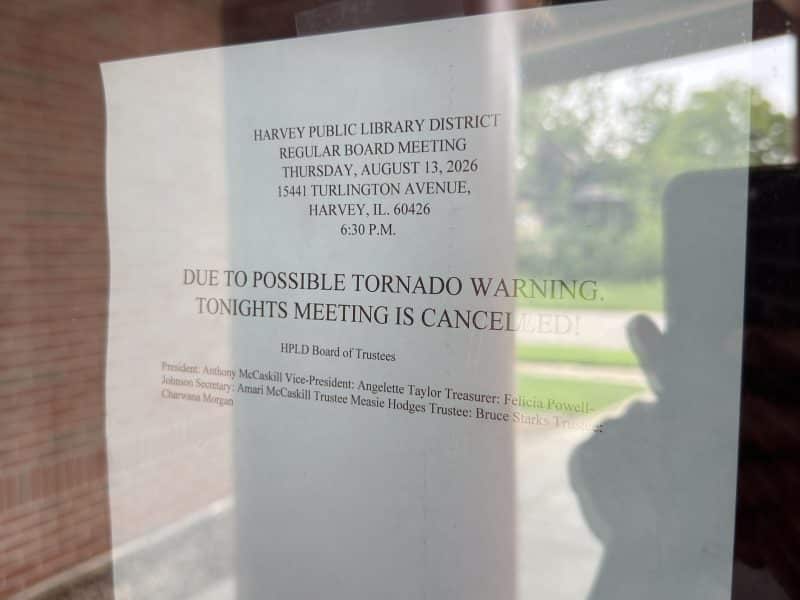
Harvey library board cancels meeting due to severe weather warning
The Aug. 13 board meeting was cancelled due to a “possible tornado warning,” according to a sign posted on the library’s door. The library had closed earlier in the evening.


