
‘We watch places’: Harvey defends Flock surveillance system and addresses alder’s privacy concerns
A payment on the Oct. 24 bills list sparked a discussion about the city’s Flock camera system and its impact on city finances and public safety. City officials stressed that the system is used for scanning public areas, not people.
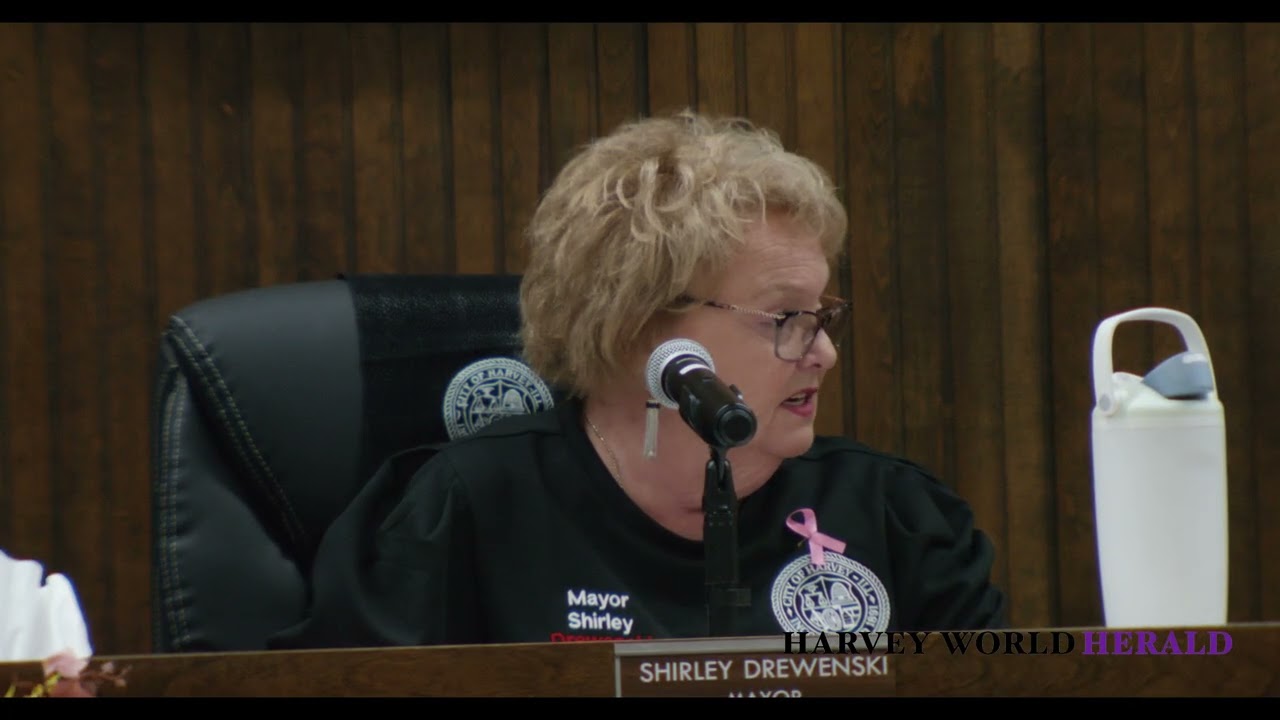
A bill for surveillance technology drew questions about spending and measurable results at the Oct. 26 City Council meeting.
The Oct. 24 bills list showed a payment for Flock Group Inc., or Flock Safety, totaling $425,437.50. The bills list describes the payment as an equipment rental for the second year of a 60-month package for 2026-27. Ald. Colby Chapman (2nd) questioned how the money was allocated and what evidence showed residents were getting their money’s worth.
“This is why it’s necessary that we have documentation around what we’re spending,” Chapman said. “We just want to know how those funds are being allocated and where, specifically to the Flock Group.”
It’s immediately unclear whether the City Council itself approved the contract or police and the mayor’s office unilaterally decided to purchase the equipment, and when.
Police Chief Dale Mitchell explained that the payment was cumulative from previous billing cycles the city was catching up on and not a monthly bill. Harvey’s bills lists are not itemized, meaning they do not include dates and descriptions. The problem that presents is City Council effectively must take the bills lists, which they do not compile, at face value.
Mitchell praised the technology, saying that the cameras have helped police prevent some crimes and investigate and solve others faster. Harvey’s surveillance system includes live video and gunshot detection. Police can search video using characteristics such as clothing color or backpacks.
But Harvey police do not publish its crime clearance rates and Mitchell did not provide empirical evidence to corroborate his statement that Flock cameras help clear crimes.
“We can’t put a price tag to human life and safety,” Mitchell said.
Fire Chief Howard Fisher echoed Mitchell’s sentiment, saying the technology supported investigations and information sharing with the state fire marshal’s office. Acting mayor Shirley Drewenski added that drones help firefighters locate lingering hot spots.
“The drone goes up and it identifies a little spark, so [firefighters] can go back there. If you’re passed out from smoke and still alive, it will reflect that as a red spot,” Drewenski said.
While city officials offered examples of the technology’s uses, they did not provide a statistical breakdown of arrests, cases solved, or response times during the discussion.
Mitchell emphasized that the city is not mass surveilling people through the cameras. “We don’t watch people, we watch spaces. We don’t have the time to watch people. We’re trying to solve crimes and/or prevent something from happening.”
According to Flock’s data privacy and protection page, its plate readers collect vehicle images, characteristics, timestamps and locations without facial recognition. However, the Electronic Frontier Foundation warns that these companies can operate without sufficient oversight, and the information they collect can reveal where people live, work, worship, seek medical care, and even who they associate with.
The American Civil Liberties Union of Illinois recommends conducting independent public audits annually to evaluate camera systems’ effectiveness and privacy violations alongside access restrictions and data storage limits.
During aldermanic comment, Chapman weighed the Flock camera expenses against abandoned properties and other neighborhood needs. She said that while she understands the benefits of Flock cameras, the city lacks concrete data to justify the expenses.
“I’m not negating what any of our executive leadership shared tonight about how [Flock cameras] are supporting the city,” she said. “I’m just trying to identify the things that we see daily, like the nine blighted properties that sit around my own home.”
“If we don’t have a lot of police patrols in our communities, those cameras are very important,” Ald. Telanee Smith (3rd) said during aldermanic comment. “We need to police our community because we don’t know what’s happening at two, three, four o’clock in the morning.”
Ald. Dominique Randle-El (5th) was absent from the Oct. 26 meeting.
Harvey enters IEPA loan agreement
The council approved an ordinance for the city to enter a loan agreement with the Illinois Environmental Protection Agency (IEPA) through its Public Water Supply Loan Program.
Under the agreement, the city will receive $9 million to complete the first two phases of its lead service line replacement project. The IEPA announced a collaboration with the city in 2024 under the agency’s Get the Lead Out Initiative, a project aimed to help accelerate the removal of lead pipes nationwide.
Javier Briz, a project engineer from Arcadis Chicago, said the agreement acts as a principal forgiveness loan, meaning the loan will be cleared following project completion as long as the city follows the programmatic requirements. There will be no interest payments either, he said.
Residents can check the city’s service line inventory and submit photographs through its self-identification form to help address lead connections.
We’re filling the void after the collapse of local newspapers decades ago. But we can’t do it without reader support.
Help us continue to publish stories like these
Author

Related Articles
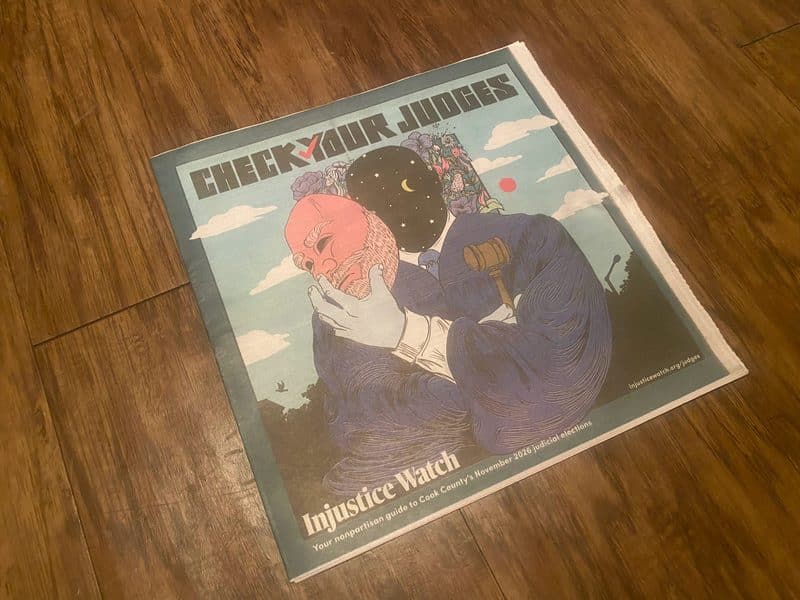
Here’s where to find 2026 judicial voter retention guides across the Southland ahead of Nov. 3
In Cook County, judges are retained, yet many skip them on the ballot because they are opaque. Here’s where to find 3,000 free print copies of Injustice Watch’s nonpartisan research guide.
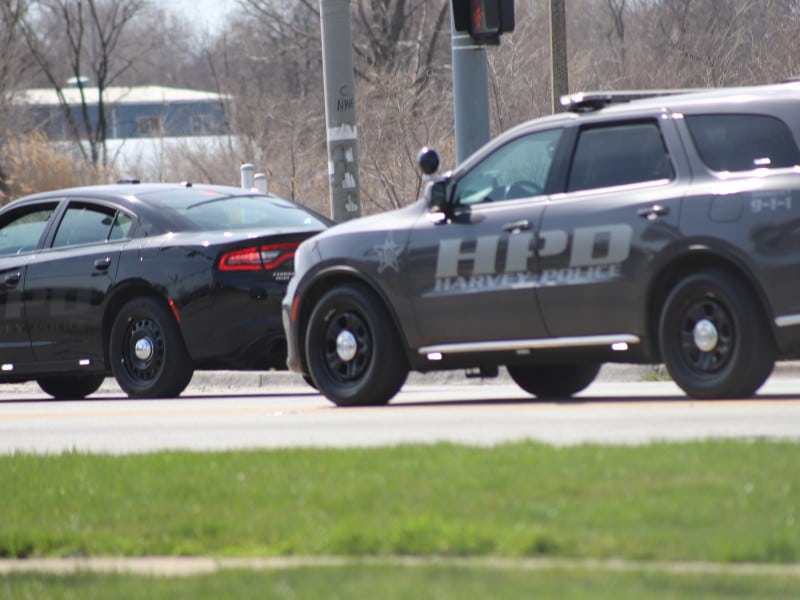
After three years of litigation, Harvey police produce crime data and arrest log to the HWH
The department records include seven years of arrests data, total incident counts for major crime categories, and disposal certificates.
Ford Heights officials and employees charged with 79 felonies
Eleven current and former elected officials and staffers in the village are facing a total of 79 felony counts for allegedly using public dollars for airfare, hotels, and spending excursions in Las Vegas and Indiana.


