
No more ‘growing up in a drive-thru’ as Harvey’s food sovereignty movement gets underway
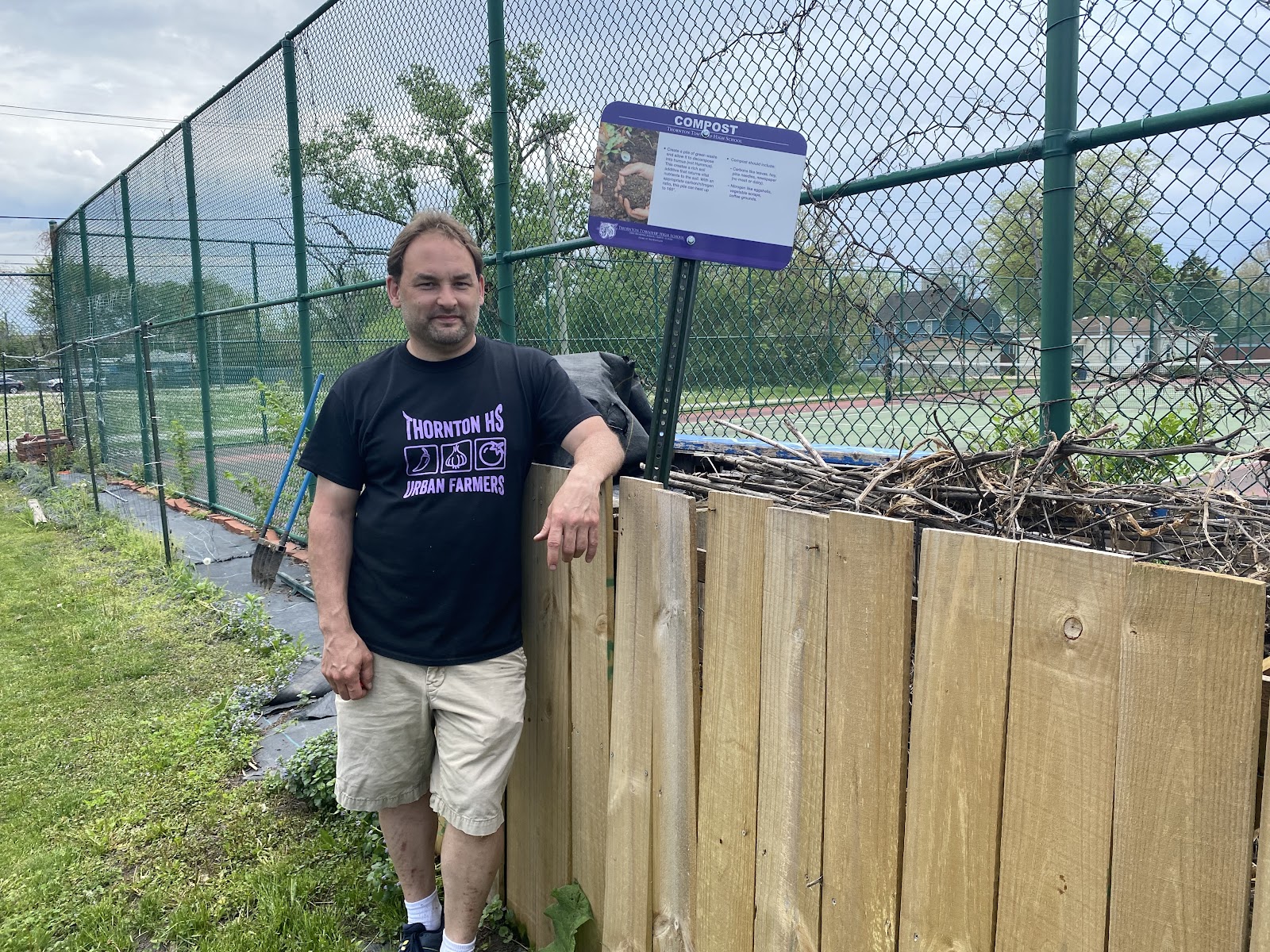
Brian Cepeda is a Thornton social studies teacher. In 2015, he started Urban Farmers, empowering students to combat food insecurity by growing their own food and taking back their community.
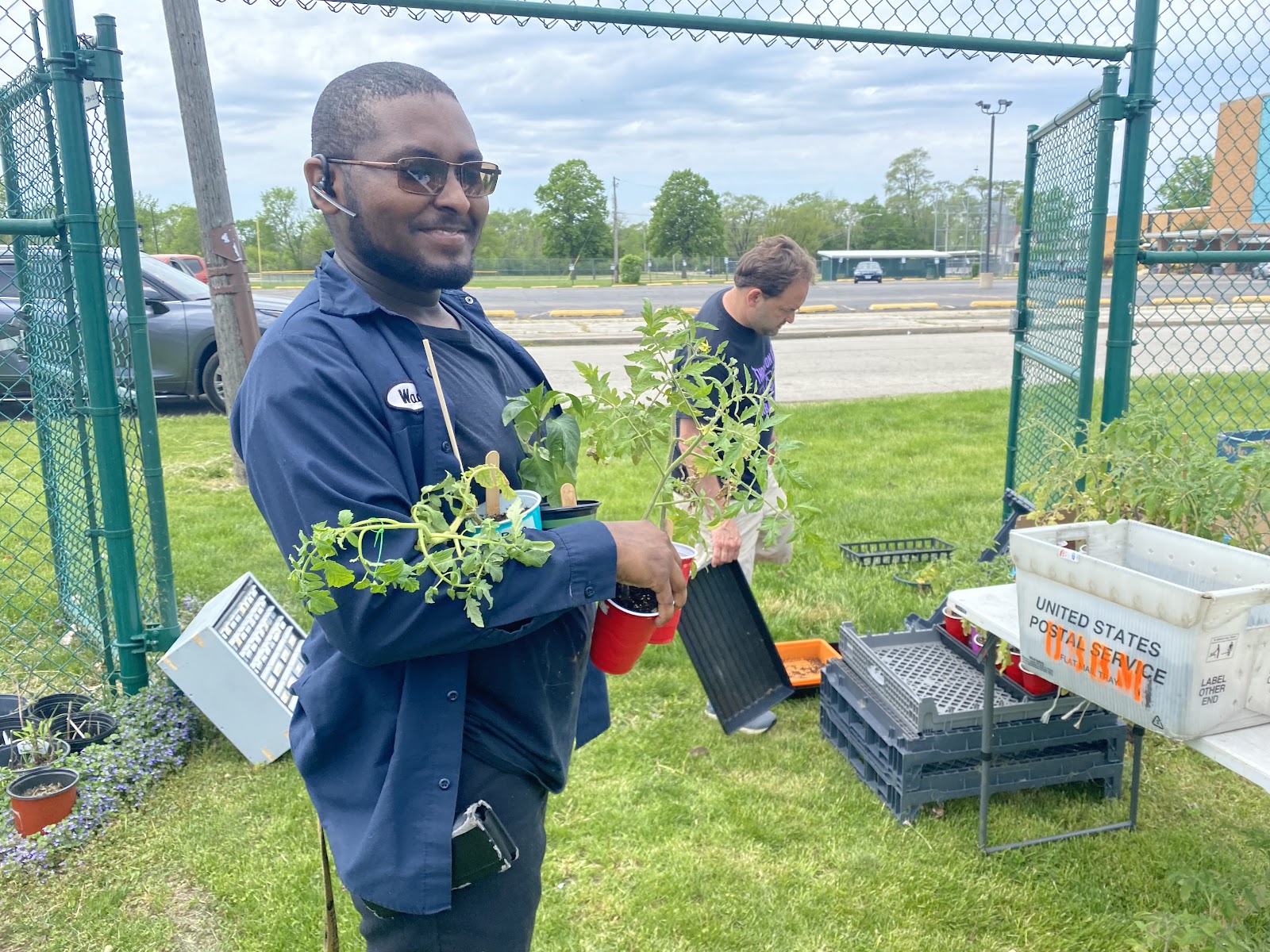
When Kobe Wade decided he wanted to become a better gardener, he decided to transfer to a high school with an agricultural program. In the summer of 2016, the avid bike rider, then a student at a Chicago private school, was riding past Thornton when he noticed a man tending to a garden by the school’s tennis court.
It was a farm, filled with fresh vegetables like potatoes, onion, and garlic. There would soon be luffas to make loofah sponges, sweet corn, and tasty treats like popcorn.
It’s the “successful visual of what should be going on in all ghettos all across the nation, that will inspire more Black and Brown persons, especially the younger generation, to start gardening and taking a general interest and initiative in their health and their food,” Wade said.
Enamored with what he saw, Wade transferred to Thornton that winter.
Launched in 2015, the Thornton Urban Farmers program teaches students how to grow food locally. Farmers stresses building community, increasing biodiversity, and becoming self-reliant.
“I started this about seven years ago with the idea that nobody should be without access to fresh vegetables,” said Brian Cepeda, a special education and social studies teacher who has taught at Thornton for fourteen years. “Our young people inside the school—they’re growing up in a drive-thru, eating stuff out of a bag.”
In Harvey, small carnicerias fill the void of brick-and-mortar grocery stores. Food pantry lines are long. Liquor stores stocked with Hot Krunchy Kurls. Fast food joints are ubiquitous.
Locally grown food can be a catalyst for taking care of one another, Cepeda said, and reimagining your community. “What happens if you have a backyard and you grow a bunch of food and you have a mother with a bunch of children? Children love to eat, right?”
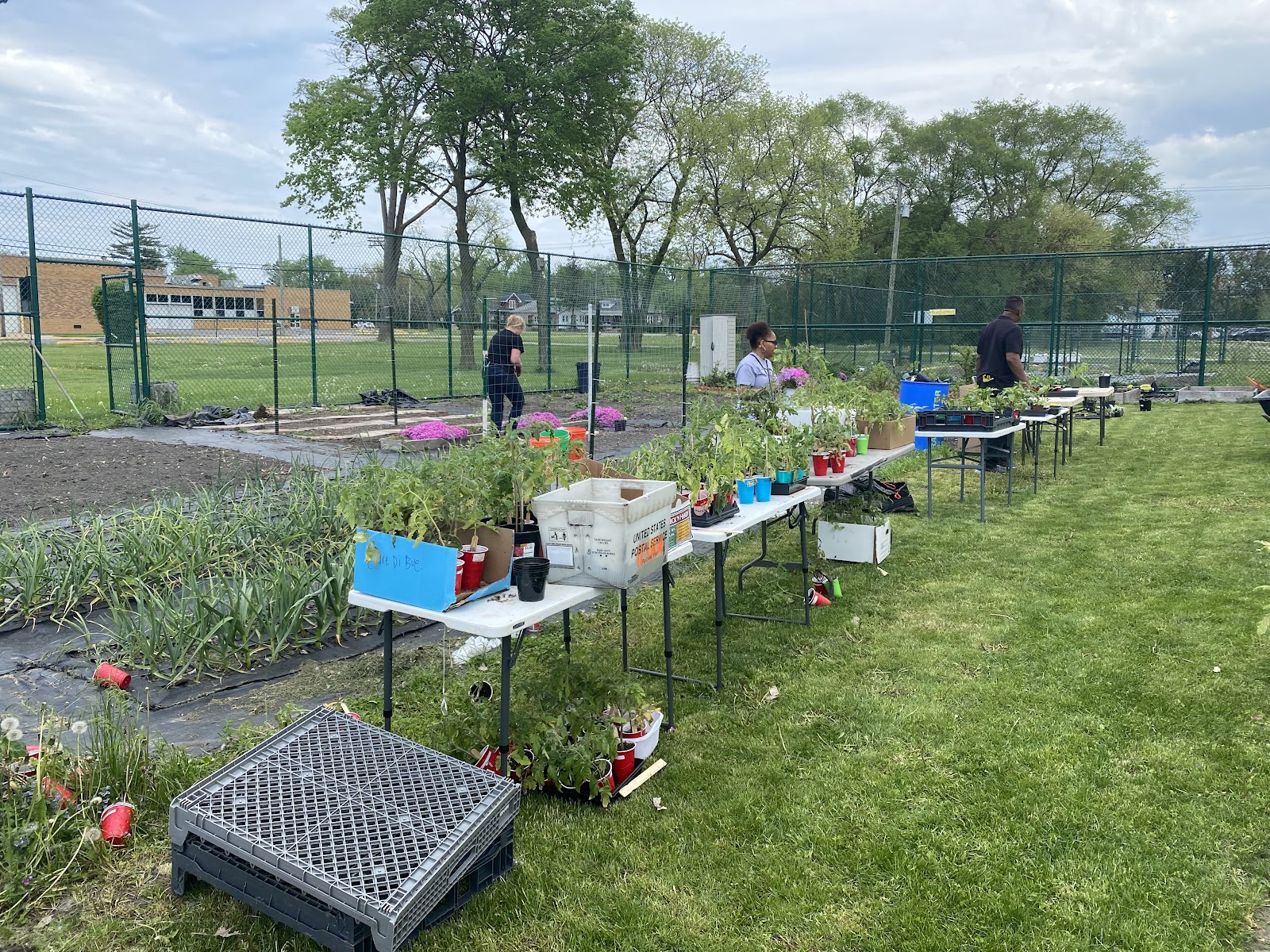
“This is social justice,” Cepeda remarked about a message stressed to his students. Urban Farmers, which donates regularly to Harvey churches, gave away 3,000 pounds of food in a single year.
Farmers introduces students to the regenerative agriculture model, used by indigenous communities to work with—rather than against—the earth’s natural systems.
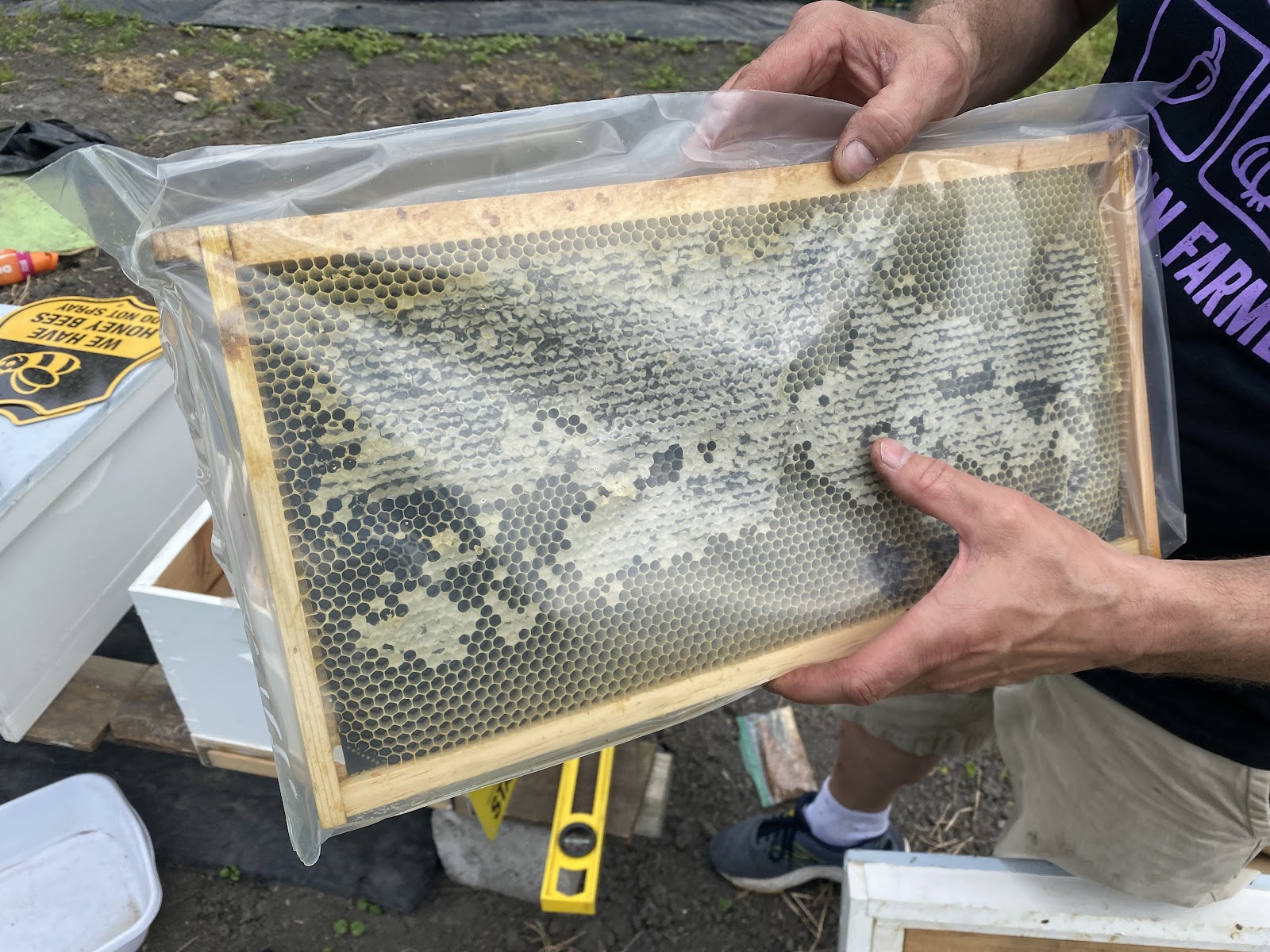
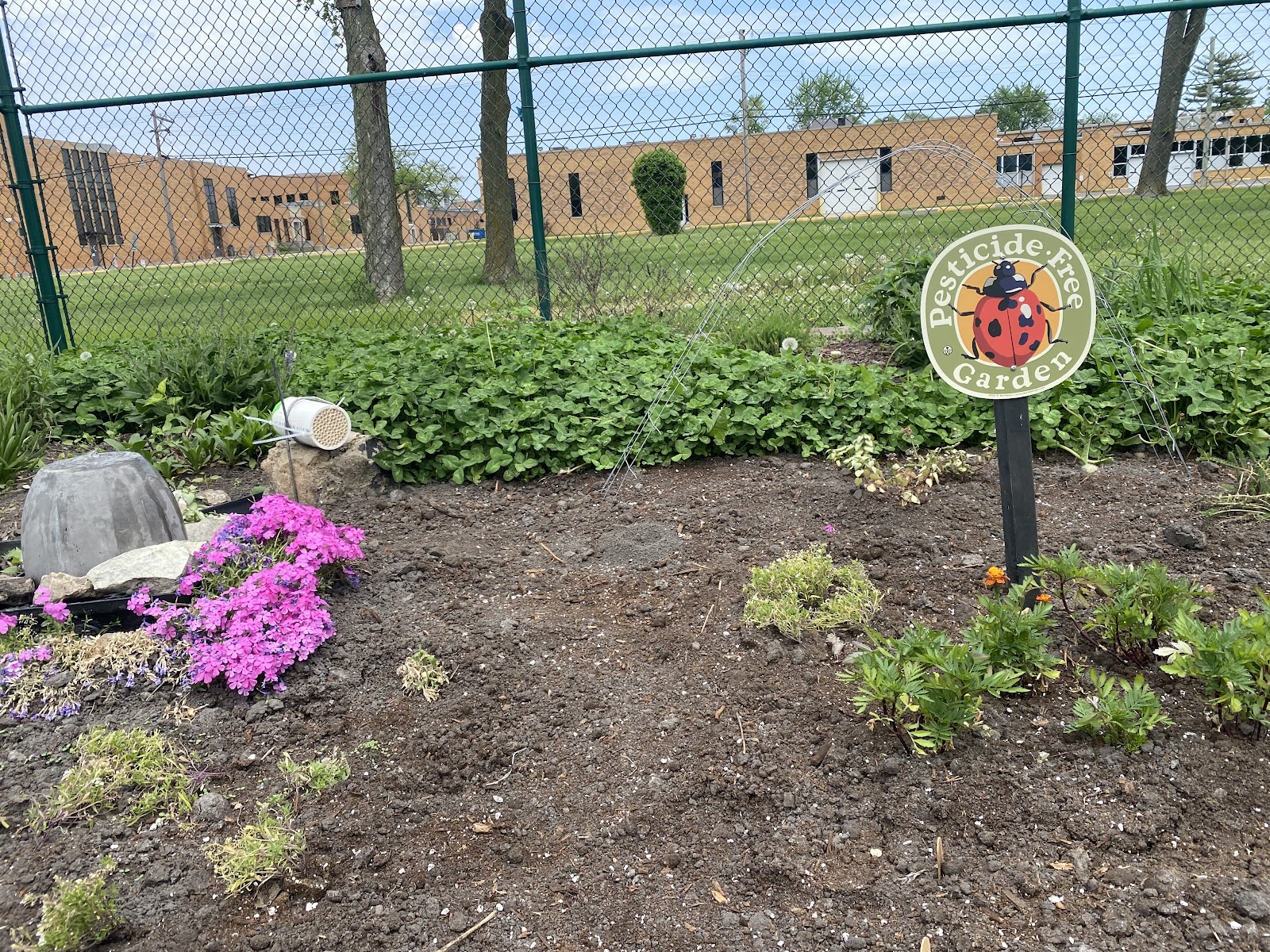
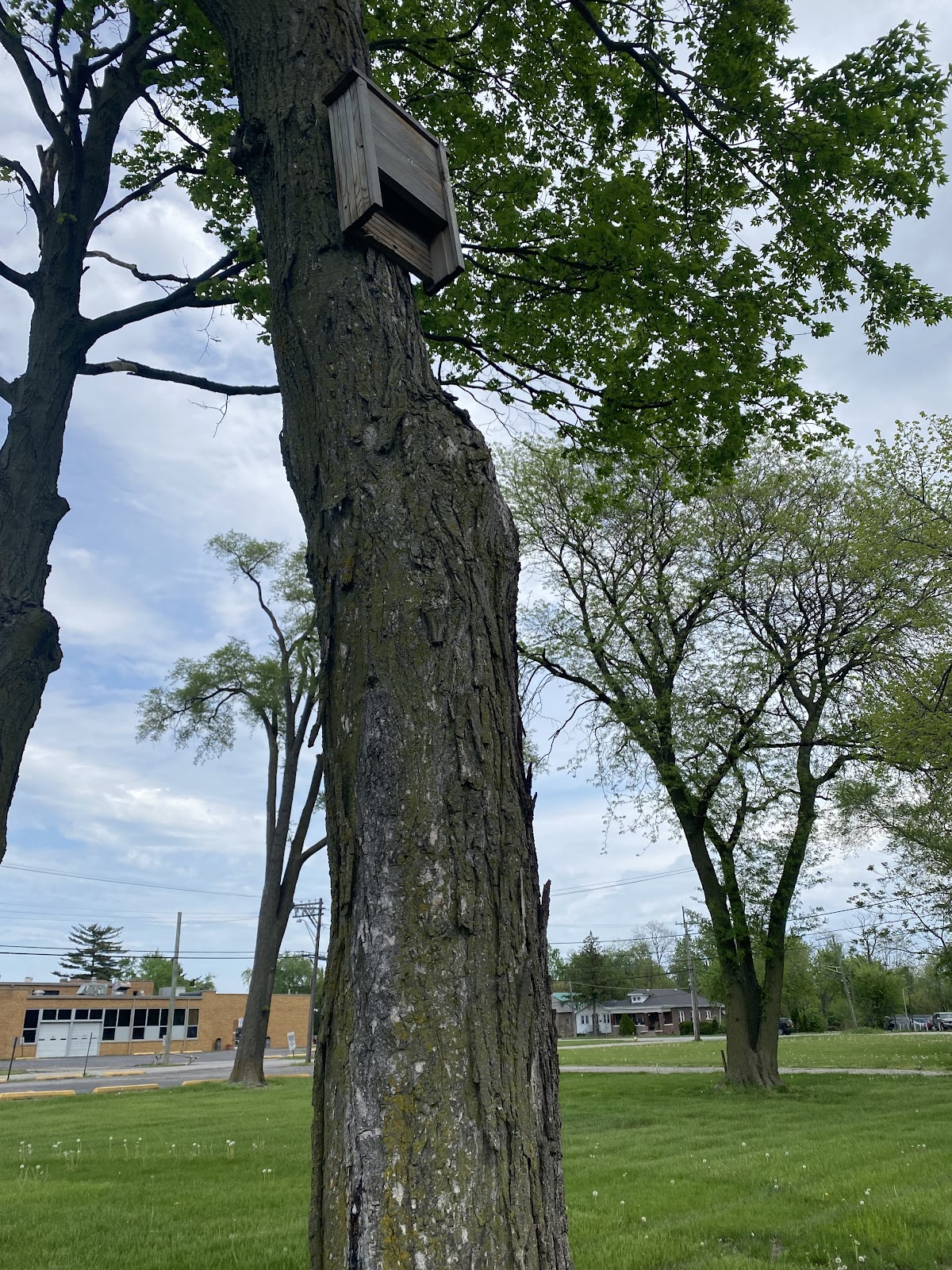
Everything at Farmers has a purpose. Bees to pollinate the plants, available to take home and even donate during the fall harvest. A forthcoming ladybug farm to eat plant-eating insects, which reduces the need for pesticides that ultimately hurt crops.
It’s a departure from industrial farming practices, which have been linked to rising greenhouse gas emissions. According to recent data from the United States Environmental Protection Agency, agriculture makes up 11% of GHG emissions as of 2020. That’s up from 7.8% in 1990.
That’s because factory farms feed livestock genetically modified foods or use pesticides on crops—all which eventually makes its way to your grocery store.
“The stuff you get at the grocery store tends to be great for shipping but doesn’t taste that good,” said Jennifer Bremlin, who co-manages the farm, funded through the Thornton Alumni Legacy Fund, the couple’s personal finances, and school funding. “And when it doesn’t taste good, you’d rather eat McDonald’s because McDonald’s tastes good—more than the saw dust in the grocery stores.”
Between 2009 and 2014, Cook County saw the second-highest increase in fast food joints of any county in America, according to data from the United States Department of Agriculture. Fast food tends to be high in fat, which—when consumed in excess—has been associated with high blood pressure, heart disease, and other ailments.
Black and Latino kids consumed more calories from fast food on a given day between 2015 and 2018 compared to white kids, according to Centers for Disease Control and Prevention data.
It’s been a challenge changing students’ eating habits, Cepeda said. Some of that strain is micro-level, like the emergence of quick drive-thru joints in an area. Other times, it’s macro-level economic interests that inform our eating habits. “Evolution is also happening in the food system. There are things in food that should not be there.”
The New Deal program introduced farm subsidies to stabilize fluctuating crop prices during the Great Depression. Now, some farmers frequently feed cows corn, an inexpensive grain available year-round.
But some environmentalists criticize the practice, arguing that corn-based diets disrupt cows’ digestive systems, acquainted with hay or grass.
Americans now eat about 56 pounds of beef yearly, according to the USDA, and cows are the top source of the world’s methane emissions, according to a 2021 United Nations report.
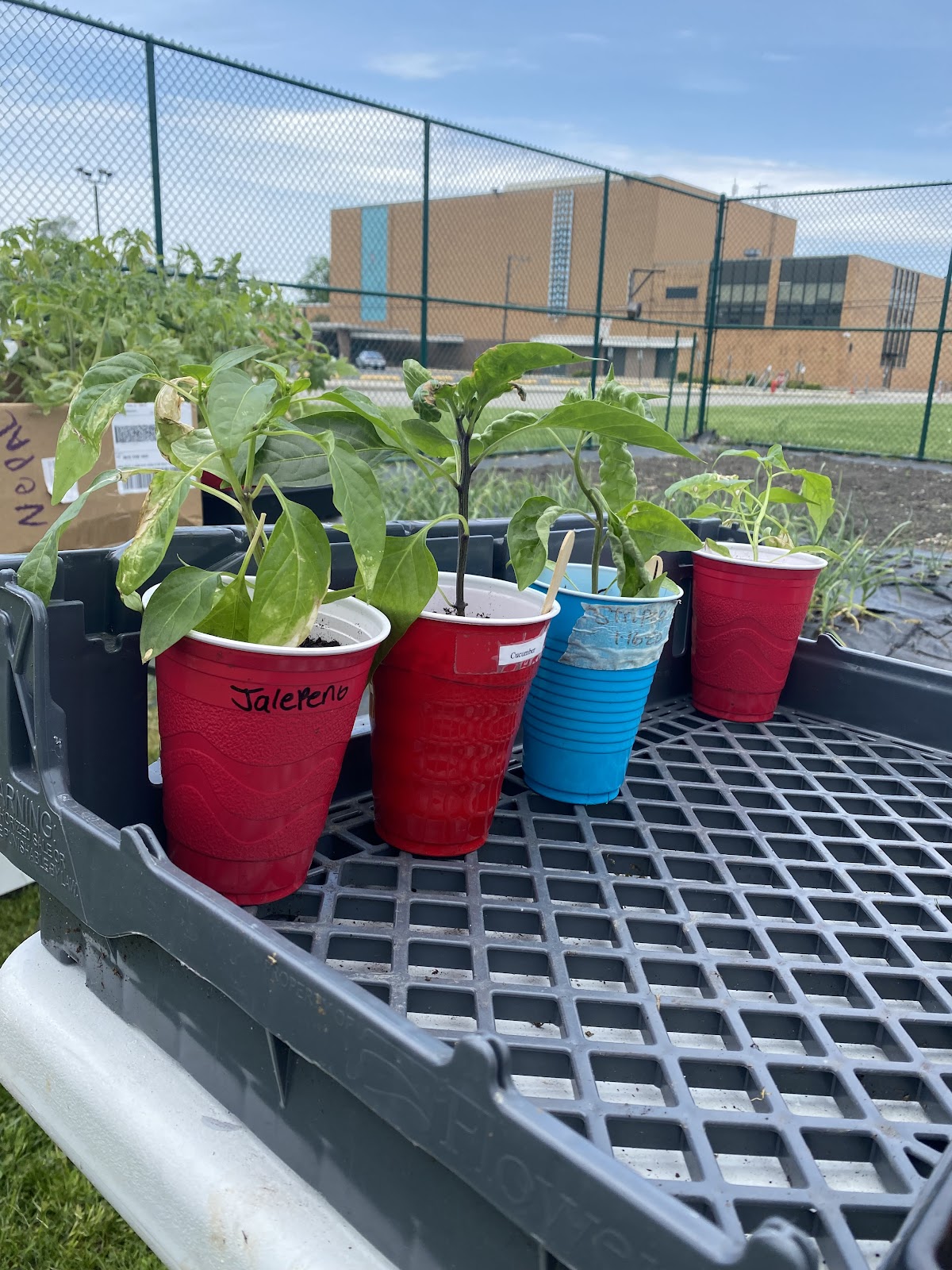
Those forces have spurred “fields and fields of corn,” Cepeda said, known as monoculture, the cultivation of a single crop. Regenerative agriculture, in contrast, stresses biodiversity. The Urban Farm has raspberries, blueberries, tomatoes, zucchini, and soon hot peppers.
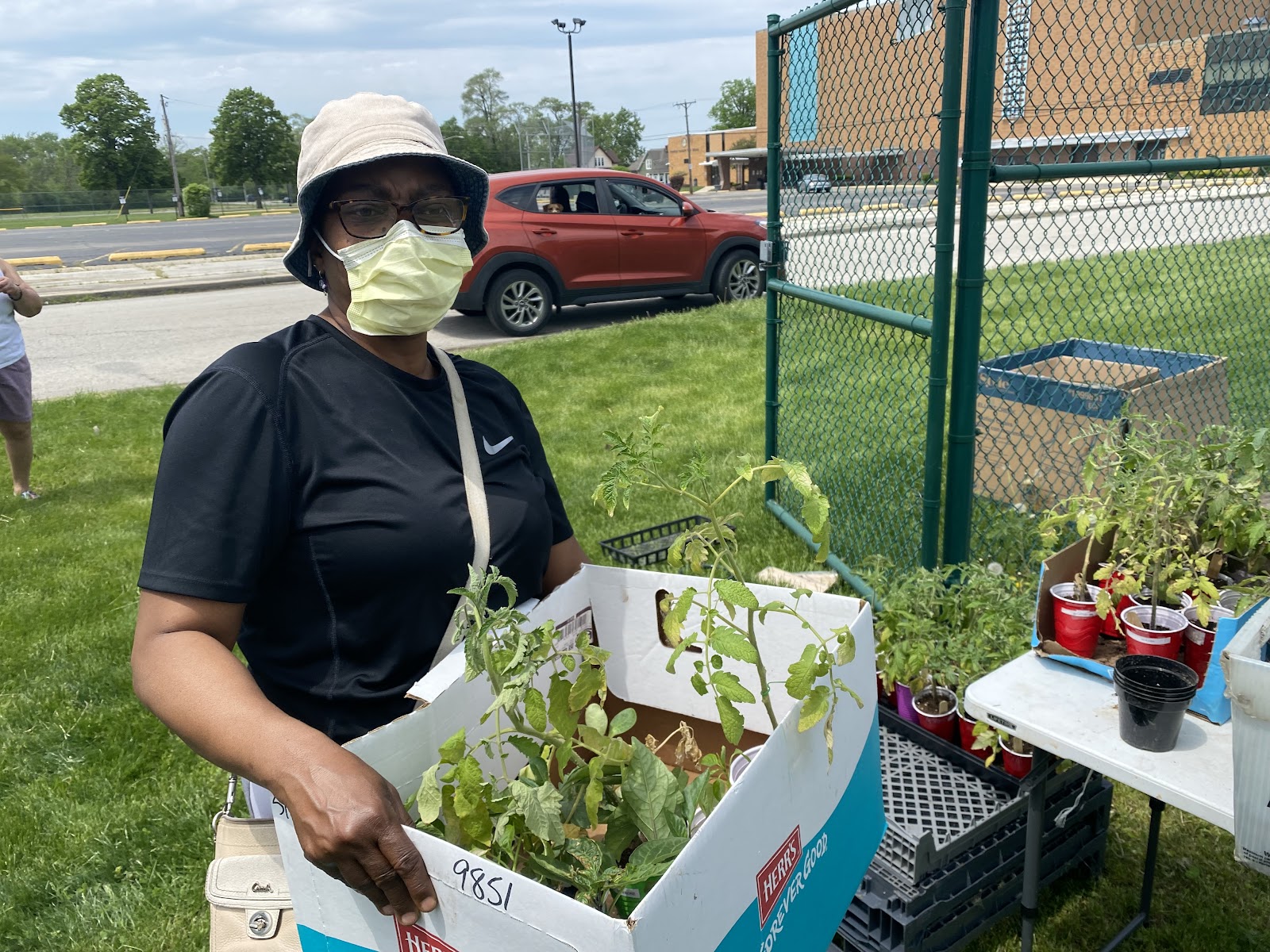
Recent global events like the pandemic and the Russian invasion in Ukraine have exacerbated the hunger crisis, but Bremlin said that may spur more people to garden, which she likened to the collective action of factory work.
“People at one time worked on an assembly line. Even though you did the same thing everyday, at the end of the day, you saw a line of cars that were a direct product of what you did. You start with a seed” that then becomes a plant or delicious meal, Bremlin said.
The Tinley Parkers were inspired by the food sovereignty movement in Detroit, home to upwards of 1,400 urban farms.
Economic shifts from manufacturing to service industries have left people in Detroit and Harvey unable to keep up, Bremlin remarked, but that also could create new economic opportunities, like farmers or mobile markets.
Self-reliant, block-based interventions like the Farmers program keep people like Wade, who graduated in 2019, coming back during free food giveaways or to volunteer.
That’s critical, Cepeda and Bremlin said, when elected leaders have different priorities and are cash-strapped.
It’s easy to get started, Bremlin said, by using what you already have. Banana peels for composting, or vacant lots—of which there are many in Harvey—for space.
It’s all about ‘planting ideas, building community,’ the program’s tagline.
“We can do this ourselves,” Cepeda said. “So, I think abundance is huge.”
We’re filling the void after the collapse of local newspapers decades ago. But we can’t do it without reader support.
Help us continue to publish stories like these
Author

Related Articles
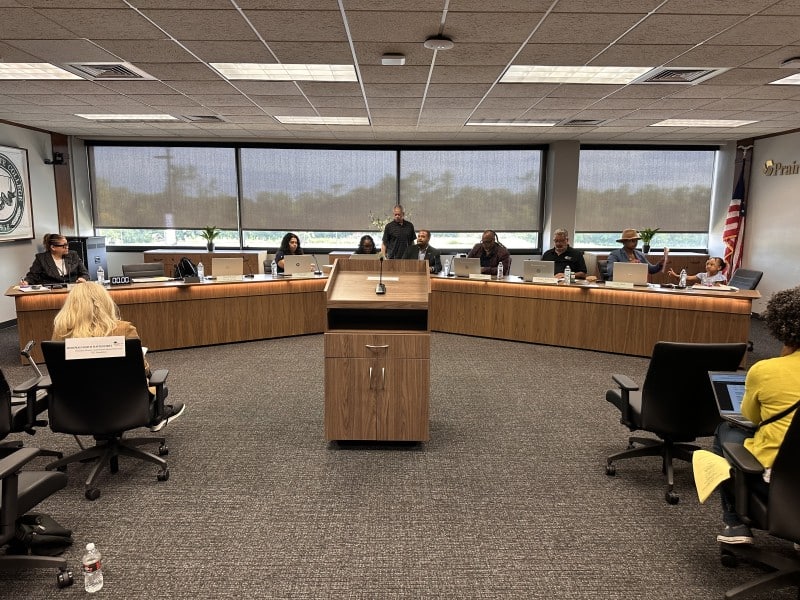
PSC reports near $8 million deficit as enrollment plummets
A 50 percent decline in enrollment since 2012 undergirds a projected $8 million shortfall in the 2026-27 budget. The college has developed an exigency plan and cut spending in response.
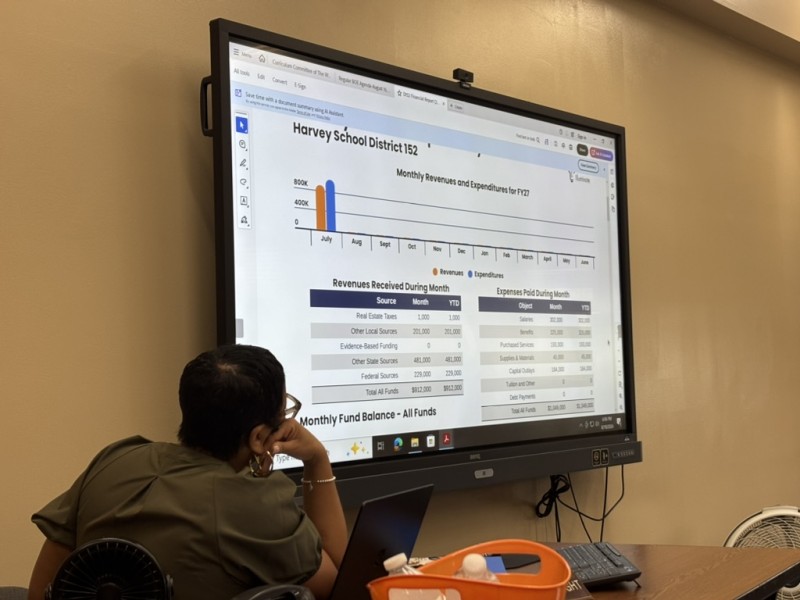
HSD 152 kicks off school year in a ‘very healthy’ financial state, official says
Harvey School District 152 saw decreases in year-to-date revenues and increased expenditures in July. However, school officials say the district is starting the new year with a robust fund balance.
WHD SD147 unveils 2027 tentative budget
West Harvey-Dixmoor School District 147 presented a $24 million tentative budget with a public hearing scheduled for early September. Despite reductions in revenues, the district has secured grant funding to support capital projects.


