
As “Mr. Finance,” Olympia Fields man defrauded Chicagoland seniors of life savings, lawsuit alleges
In 2009, Brandon Ellington pleaded guilty to bank fraud for his role in a massive federal mortgage fraud case. Seventeen years later, he is now the subject of a class action lawsuit alleging he targeted and persuaded Black Chicagoland seniors in an investment scheme that failed to yield the promised dividends.
A group of Black Chicagoland seniors filed a class action lawsuit alleging a self-proclaimed investor guru defrauded them of their savings in an alleged Ponzi scheme.
Brandon Ellington, of Olympia Fields, ran an investment business as “Mr.Finance,” where he offered investment advice and persuaded many Black elderly, retired, or devout people to borrow against their savings, take out massive loans, leverage their credit, and liquidate their retirement accounts, the lawsuit alleges.
According to the Illinois Secretary of State’s office, Ellington used the proceeds from later investors to pay the earlier investors. Once the investors stopped coming in, the money stopped as well.
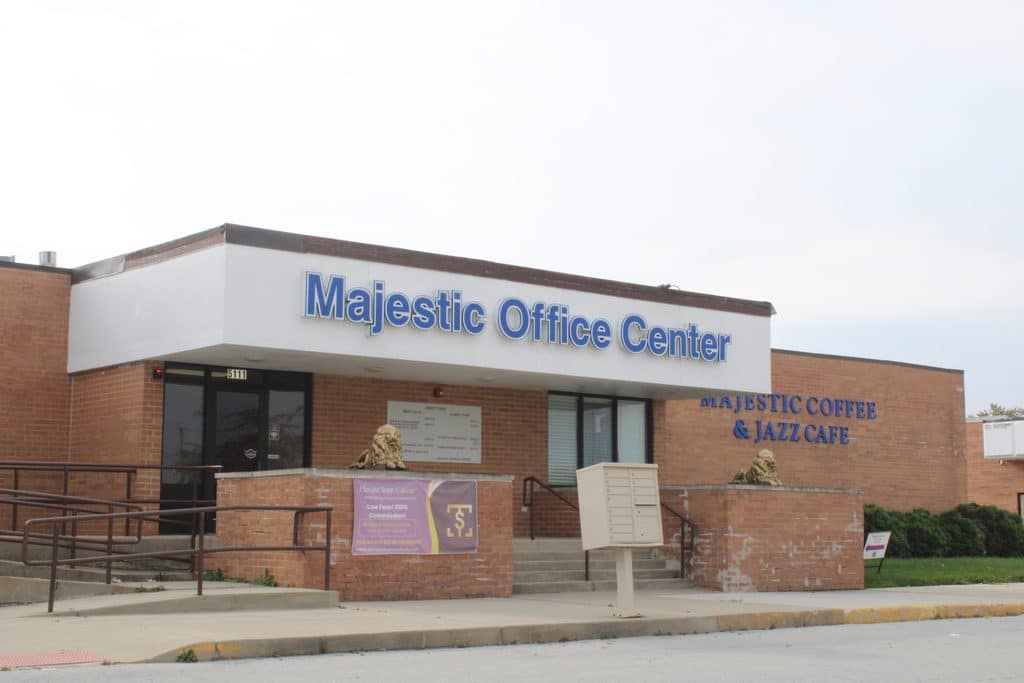
The state issued a temporary order of prohibition to prevent Ellington from operating an unregistered investment business in Illinois. The Richton Park office space for his company “Access Capital Today,” located on Sauk Trail, is now closed. But that didn’t stop Ellington from starting another venture: designer fragrances. Ellington could not be reached for comment.
The state stepped in once more and issued a cease-and-desist, alleging Ellington is asking people to buy, sell, and invest in the venture. The debacle raises concerns about how Ellington was still able to allegedly defraud vulnerable retirees — and how the Illinois Secretary of State failed to intervene — given his prior conviction. In 2009, Ellington pleaded guilty to bank fraud, losing his license. The Illinois Secretary of State’s office was reached for comment but did not respond.
In the lawsuit, plaintiffs allege they gave Ellington’s company funds “and in exchange received a written contract promising fixed monthly payments over a set term, at returns of 20 percent to 60 percent above the amount invested, with full return of principal.” Read the lawsuit here.
“At no time did we get up one morning and say we’re going to give Brandon our money… we trusted him to invest,” said Melanie Woods. The plaintiffs are represented by Disparti Law Group.
“Some of the plaintiffs have invested over $160,000 after liquidating their retirement funds. One plaintiff was sent to three different banks to take out loans for $25,000 at East Pacific Bank,” said Jamaal Buchanan. “Another plaintiff invested $50,000 and never received one payment, and there’s one plaintiff who is retired,” Buchanan said, “but she takes care of her elderly mom and wanted to contribute money to her granddaughter’s wedding, and that money is now gone.”
Mortgage fraud case
In 2008, Ellington was involved in a massive federal mortgage fraud case, a case Buchanan describes as “one of the largest mortgage fraud cases in Illinois history.” The scale was staggering. He was part of a ring that obtained 150 fraudulent mortgage loans totaling more than $95 million in proceeds.
Charged with federal mail fraud, wire fraud, bank fraud, and two counts of federal criminal forfeiture, Ellington operated as a de facto loan mortgage officer; he falsified mortgage application packages. While the ring leaders handled the real estate, Ellington manipulated the banking system to ensure the money actually got approved and disbursed. Read the indictment here.
Ellington omitted critical financial data from the applications, including names of — “Straw Buyers,” people with good credit who purchased goods on behalf of someone else who is legally barred from purchasing, an illegal act if the intent is fraud or criminal activity — actual income and current assets, employment status, and the intent to occupy the properties.
He concealed the fact that buyers were buying multiple houses over a short period of time by creating a fake paper trail, including fake employment verifications and deposits.

‘Exploited the bonds’
Ellington, a Black man who previously lived in Country Club Hills, allegedly exploited social networks and certain communities through “affinity fraud.”
Multiple Chicago-area radio and broadcast stations interviewed Ellington, including WGN-TV, Daytime Chicago, and iHeart Radio. In a separate lawsuit, filed by Loftus & Eisenberg Ltd., plaintiffs are taking aim at news media that platformed Ellington, where he gave talks giving financial advice, even though he was not licensed and convicted for mortgage fraud.
“Ellington, who is Black and held himself out as a fellow member of Chicago’s Black community, built and ran the scheme inside that community and exploited the bonds of race, faith, and trust that hold it together,” the lawsuit reads. Read it here.
“My account got frozen because I settled a case with like 50 clients, and so I’m pumping out wires to 50 people,” said Alex Loftus. “The bank thought it was a Ponzi scheme because turning around all this money real fast…there’s a whole system that’s supposed to prevent this kind of stuff wherever a lot of money is being moved around.”
We’re filling the void after the collapse of local newspapers decades ago. But we can’t do it without reader support.
Help us continue to publish stories like these
Author

Related Articles
Meet Harvey’s 2027 City Treasurer candidates
Harvey’s incumbent treasurer went nearly eight years having only delivered a handful of reports due to mayoral gridlock. Two people have filed for the role, with a clear need to re-establish the office’s independence.
Riverdale moving forward with cigar lounge under zoning amendment
The village granted business owners a conditional-use permit to operate a new cigar lounge at 11 W. 144th St. after gaining approval to rezone the property.

Pace to celebrate Dolly Day with little libraries across six transit stations, including Harvey
September 25 is Dolly Day, in honor of late singer Dolly Parton and her hit single and film “9 to 5.” Straphangers can take and leave a book at the Harvey bus station, along with five other locations.


